IB vs. AP: The Ultimate Guide for US Parents
Navigating the landscape of advanced high school programs can feel overwhelming. With the International Baccalaureate (IB) Diploma and Advanced Placement (AP) courses both promising academic rigor, how do you decide which path is right for your child? As former IB graduates and expert tutors, we've guided countless students through this choice. This guide cuts through the confusion, giving you the clear, insider perspective you need.
By using this guide, you will be able to:
- Differentiate Core Philosophies: Understand the fundamental difference between the IB's holistic approach and AP's subject-specific focus.
- Compare Curriculum Structures: Grasp why the IB is a comprehensive program versus AP's "a la carte" course offerings.
- Evaluate Assessment Methods: See how the IB's continuous assessment model differs from AP's single end-of-year exam.
- Understand College Admissions Impact: Learn how top US universities view and award credit for both IB and AP qualifications.
- Identify the Best Fit for Your Student: Confidently determine which program aligns with your child's unique learning style and goals.
Part 1: The Core Philosophies at a Glance
Before we dive into the details, let's get the big picture. Think of the two programs as having fundamentally different goals.
The International Baccalaureate (IB)
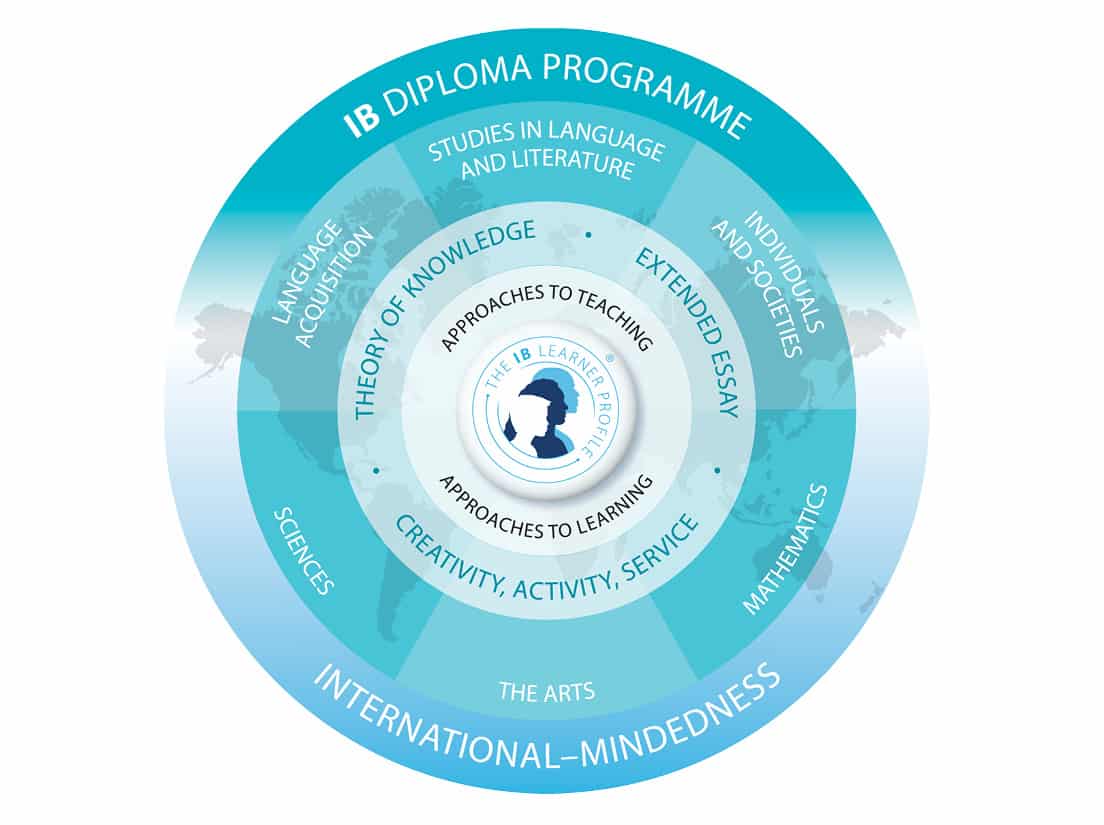
The IB Diploma Programme (DP) is a two-year, cohesive curriculum designed to develop well-rounded, critical thinkers with a global perspective. It's not just about learning subjects; it's about learning how to learn and making connections between different fields of knowledge. The entire program is built around a philosophy of inquiry and intellectual development.
Advanced Placement (AP)
AP offers college-level courses and exams for high school students. The goal is to allow students to tackle advanced material in subjects they are passionate about and potentially earn college credit. It's a system that allows for specialization and depth in specific areas, mirroring the structure of introductory university courses.
Part 2: Structure & Assessment - A Head-to-Head Comparison
This is where the differences become most apparent. How your child learns and demonstrates their knowledge will vary significantly between the two systems.
| Feature | International Baccalaureate (IB) | Advanced Placement (AP) |
| Curriculum | A comprehensive, two-year program. Students take six subjects across various disciplines, plus the mandatory "Core": Theory of Knowledge (TOK), the Extended Essay (EE), and CAS (Creativity, Activity, Service). | An "a la carte" menu of individual courses. Students can take as few or as many APs as they choose, allowing for deep specialization in certain areas (e.g., multiple AP sciences). |
| Assessment | A mix of internal and external assessments. Final grades include coursework, presentations, and lab reports (Internal Assessments) done over two years, plus final exams. The EE is a 4,000-word research paper. | Primarily based on a single, high-stakes standardized exam at the end of the course in May. The exam score is the main determinant of college credit eligibility. |
| Focus | Breadth and Interconnection. The program forces students to engage with sciences, humanities, and languages, while the Core (especially TOK) encourages them to link ideas across subjects. | Depth and Specialization. Allows students to build a transcript that shows advanced proficiency and passion in specific fields relevant to their intended college major. |
| Key Skills | Critical thinking, research, academic writing (via the EE), time management, and intercultural understanding. The focus is on the process of learning. | Content mastery, synthesis of information, and performance under timed, high-pressure exam conditions. The focus is on the product of learning. |
The Lanterna Tip: The biggest differentiator is the IB Core. The Extended Essay is the single best preparation for university-level research and writing a high school student can undertake. If your child is headed for a research-heavy major, this is a major advantage.
Part 3: College Admissions & Credit
So, what do the universities think? Both programs are highly respected and signal academic rigor to admissions officers. However, they are often interpreted differently.
- The IB Diploma: Admissions officers see the full Diploma as proof of a student's ability to handle a challenging, interdisciplinary, and sustained workload. It demonstrates grit, intellectual curiosity, and exceptional time management. It answers the question: "Can this student handle the diverse demands of a university education?"
- AP Scores: A strong suite of AP scores (typically 4s and 5s) demonstrates mastery in specific subject areas. It shows a college that a student is ready for advanced coursework in their intended major. It answers the question: "Is this student prepared for our department's 200-level chemistry course?"
For college credit, policies vary wildly. Always check the specific policies of the universities your child is interested in. Generally, high scores on IB Higher Level (HL) exams and AP exams (4s or 5s) can earn college credit or allow students to place out of introductory courses.
Part 4: Which Path is Right for Your Student?
This is the most important question. The best program is the one where your child will thrive. Consider their personality and learning style.
The IB Student Profile: The Inquisitive Explorer
This student is a self-starter who enjoys making connections and asking "why?". They aren't just satisfied with knowing the answer; they want to understand the concept behind it.
They thrive with:
- Long-term research and writing projects (like the EE).
- Inquiry-based learning and class discussions.
- Balancing a varied workload across multiple subjects.
- A curriculum that values personal growth (CAS) and critical thinking (TOK).
The AP Student Profile: The Focused Specialist
This student loves to dive deep into subjects they are passionate about. They are often highly organized, goal-oriented, and excel at mastering content for a final exam.
They thrive with:
- A clear, content-driven curriculum.
- The ability to specialize in their areas of strength.
- The challenge of a high-stakes, end-of-year exam.
- A more traditional classroom structure focused on content mastery.
The Final Word
Ultimately, neither program is inherently "better"—they are simply different. The IB Diploma offers a transformative, holistic educational journey, while AP provides an excellent opportunity for focused, high-level academic achievement in specific subjects. The best choice is the one that aligns with your child's academic personality, interests, and how they perform at their best.
Discuss these points with your child and their school counselor. Whichever path they choose, the key to success is consistent effort, strong study skills, and getting support when needed. At Lanterna, our tutors are experts in navigating the unique demands of both curricula, ready to help your student excel.
-1.png?width=150&height=56&name=logotype_lanterna_education_blue%20(4)-1.png)
.png?width=289&height=306&name=%E5%A4%B4%E5%83%8F%20copy%20-%20Siwen%20(Rose).png)