-1.png?width=150&height=56&name=logotype_lanterna_education_blue%20(4)-1.png)

What is the IB program?
The International Baccalaureate (IB) is an exciting program for students to be a part of. Here’s a guide to everything you need to know about the course and exactly what to expect.
The International Baccalaureate is a program that forms part of secondary school studies. It can feel daunting to beginners, as there are course codes and acronyms but you’ll soon become acquainted with it all.
The IB diploma was designed in Switzerland in the 1960s to prepare students between the ages of 16 and 19 for success at university and life beyond. It is an academically challenging program of study, allowing students from around the world the opportunity to earn a rigorous, internationally recognized diploma.
This diploma can be used for entry into top universities from around the world.
What does the IB diploma cover?
To earn an IB Diploma, students are required to meet a set of requirements. This includes classes across six subject groups as well as the passing IB exams, and completing three additional core requirements.
IB classes can be taken on their own. Alternatively these classes can be taken as part of a separate diploma (such as the American high school diploma), or as part of the two-year International Baccalaureate Diploma.
This program is typically taken during Grades 11 and 12 to help students develop “physically, intellectually, emotionally and ethically.”
This balanced approach makes a major impact on students during these crucial, final years of secondary education. It is an important program that can assist in answering common questions that arise regarding future studies, career ambitions, and personal goals.
The curriculum
As mentioned above, the IB program curriculum includes six subjects and three core requirements. Students are required to take six classroom courses taught by qualified IB Diploma teachers. This includes knowledge across languages, social studies, science, mathematics and the arts subjects.
The program is designed to develop critical thinking, active participation, research and writing skills. These skills will prepare you for the types of assignments assigned at university level.
Building your IB diploma
Students select a total of six courses – three of these are taken at higher level (HL) and three at standard level (SL). Examples of these subjects include language and literature, language acquisition, individuals and societies, sciences, mathematics, the arts.
IB Core
The IB Diploma core components challenge students to apply their knowledge and skills beyond their courses of study.
Theory of Knowledge
Theory of Knowledge asks students to reflect on the nature of knowledge, and on how we know what we claim to know.
Ways of knowing
This component encourages a combination of critical thinking and personal reflection.
Extended Essay
The extended essay is an independent, self-directed 4,000-word research report. It demands independent research, academic writing, and strong communication skills from students.
Creativity, Activity, Service
The IB Diploma program includes a range of activities to perform alongside their academic studies. This allows for hand-on experience that is creatively expressed.
The benefits of the IB program
In addition to preparing students for university, the students who enrol in this program are more likely to further their studies.
A study conducted by IB and SRI Education (PDF) reported that DP graduates in the United States experienced more positive post-secondary enrolment rates and graduation rates in comparison to average American high school students.
Another study found that students that received the full IB Diploma were more likely to enrol in higher education and graduate from a four-year institution.
There are also several longer-term outcomes for students who complete this course. While many students focus on more immediate gains of the IB program, the benefits extend far past university. A global study of IB alumni found that the IB has the potential to powerfully shape the lives of the students who participate in its programs.
Former IB students reported experiencing profound and long-lasting effects that are consistent with the goals of the IB Learner Profile in terms of student development.
Examples of these longer-term outcomes include:
- The development of international-mindedness
- A broader global perspective
- Critical thinking skills
- Analytical and writing skills
- Positive dispositions towards lifelong learning
The IB classes
The IB classes are unique from other advanced classes because they fit into the educational ecosystem created by IB. The classes are intentionally developed to promote comprehensive, interdisciplinary learning and critical thinking across different fields of study.
The IB diploma program begins in Grade 11 and focuses on three core elements:
- The theory of knowledge: reflecting on how we know what we know
- The extended essay: writing an independent research paper
- The CAS (creativity, activity, service) project: creating a project based on those three themes.
Students select classes from each of these subject groups to build their own academic path. Some of these classes are one year courses (Standard Level, SL), which require 150 hours of study, while other classes take place over two years, (Higher Level, HL), and require 240 hours of study to complete.
HL courses allow for a deeper dive into a particular field of study. These subject selections require careful thought. The courses will include theoretical and practical aspects in each class.
Having a range of different subject groups and the option to choose Standard or Higher Level courses allow students to pursue their particular academic interests while also enjoying courses from across the spectrum of the arts, sciences, and humanities.
Reasons to enrol in the IB program
The IB program is established to provide students with a balanced education, facilitate geographic and cultural mobility, and to promote international understanding. As the IB explains, students will:
- Gain an excellent breadth and depth of knowledge
- Flourish physically, intellectually, emotionally, and ethically
- Have the opportunity to study at least two languages
- Excel in traditional academic subjects
- The chance to explore the nature of knowledge through the program’s unique theory of knowledge course
Importantly, this program is also a great way to prepare for university. All in all, students will develop a well-rounded and worldly perspective that is ready to learn more at a university level.
IB courses are interdisciplinary, which means they require independent thinking, oral presentations and original research, which is akin to what is expected of university students. It is important that students are enabled to cope with demanding workloads, time management, and meeting the expectations placed on them.
University Credit for the IB student
As any student with international ambitions knows that the requirements for university admissions and transferring credits from high school can differ from one country to the next.
Before taking on IB classes or the IB diploma program, students and their parents are encouraged to speak with their guidance counsellor about how this program can be directed towards their desired program of study. College counsellors can also advise students on the potential college credits that students can earn for each successfully completed IB course and examination.
Students can usually find a clear IB credit transfer chart on the Admissions portion of each university’s website.
Depending on the IB class, students can earn between one and two-quarters of credit for certain classes in everything from Chemistry to French.
By enrolling in advance, students can economize their time, allowing them to take other courses while maintaining their progress toward their desired degree, or opt-out of certain core classes (depending on the university). Almost stress-free!
Begin your IB journey with Lanterna
Lanterna teaches an American curriculum to a diverse group of international students. We offer both IB classes and the complete International Baccalaureate Diploma.
The IB classes and IB program are excellent ways for students to take advantage of a rich and rigorous academic program while following their passions and developing themselves personally. The IB experience and skills learnt last far beyond ones schooling career. Graduates are well-prepared to gain admission to prestigious universities and succeed in the demanding higher education environments.
Many students credit IB to helping them discover their future career paths and giving them the tools and confidence to ask questions, take healthy risks, and follow their passions with these skills, reflections, and knowledge instilled during the IB program and IB classes.
With diverse range of IB classes, all kinds of students can thrive, from budding creatives to scientists.
Your passport to university
The IB classes and/or IB diploma program create a strong foundation for lifelong learning and exploration. As such, universities from around the world recognize the IB Diploma. It is renowned as a program that yields ambitious and talented graduates. As a Lanterna student, you’ll have access to the complete IB diploma program, along with all the guidance necessary to ensure you get everything you want out of the class.
FAQs about the IB program
Students can add a selection of IB courses to their US high school diploma. Here are some of the common questions and answers related to the program.
How does the IB Diploma prepare me for university?
The IB Diploma offers in-depth and broad explorations of subject areas. This exposes students to the kinds of assignments they can expect to receive at university. This rigorous and independent style of study also helps students learn the vital habits that need to be instilled for success at university. Research shows that IB Diploma graduates are more likely to be apply for further education, be accepted into selective universities, stay enrolled in educational programs, to perform better during their university studies, and finally to graduate.
Why should I study the IB Diploma at an international school?
Lanterna students have the advantage of consistent support throughout their studies and learning from a multicultural and diverse student diaspora. Studying the IB Diploma at an international setting enhances the educational experience and the concept of global citizenship that the IB curriculum aims to achieve.
Where is the IB Diploma recognized?
Students and parents will be pleased to know that the IB Diploma is internationally recognized and benchmarked. This is a great asset to students as IB graduates can pursue higher education anywhere in the world, from a wide range of colleges and universities from almost 90 countries.
Is the IB Diploma better than the US High School Diploma?
The IB diploma and US high school diploma both require students to study a wide range of subjects until their final year of high school. The IB Diploma and its core components demand a greater investment of time and individual motivation compared to the US high school diploma. The latter leaves more time for students to focus on their own preferred co-curricular activities and to prepare for tests like the SAT or IELTS. Both programs have their advantages. Speak with the team at Lanterna to find which route is better for you.
How do I know if the IB Diploma is right for me?
The guide above will help you determine if the IB Diploma is right for you. Apart from a multiple of benefits, this is a high school program that motivated students will enjoy. If you are drive, curious, and eager to enquire and reflect across a variety of subjects, the IB diploma course is for you! If you’re still not sure whether the IB Diploma is right for you, the Lanterna admissions team will be happy to discuss the program and your options with you.

We’re the Lanterna Team — a group of 600+ IB expert tutors, ranging from 45/45 IB graduates to IB teachers with 30+ years of teaching and examiner experience.
For over 20 years, we’ve supported tens of thousands IB students worldwide with one clear focus: making high achievement feel more doable. Our team of experienced tutors have come together to combine their deep curriculum knowledge with practical strategies that are proven to work.
Whether you’re building strong foundations in DP1, pushing for a final stretch in DP2, or looking for clarity on what to prioritise, we’re here to help you study smarter, stay confident, and get results.

All About the IB (PYP, MYP, DP, CP)
Ultimate IB Program Guide: Explore PYP, MYP, & DP. Get clarity on benefits, workload, and global university recognition for students. Free guide from IB 7 grads.
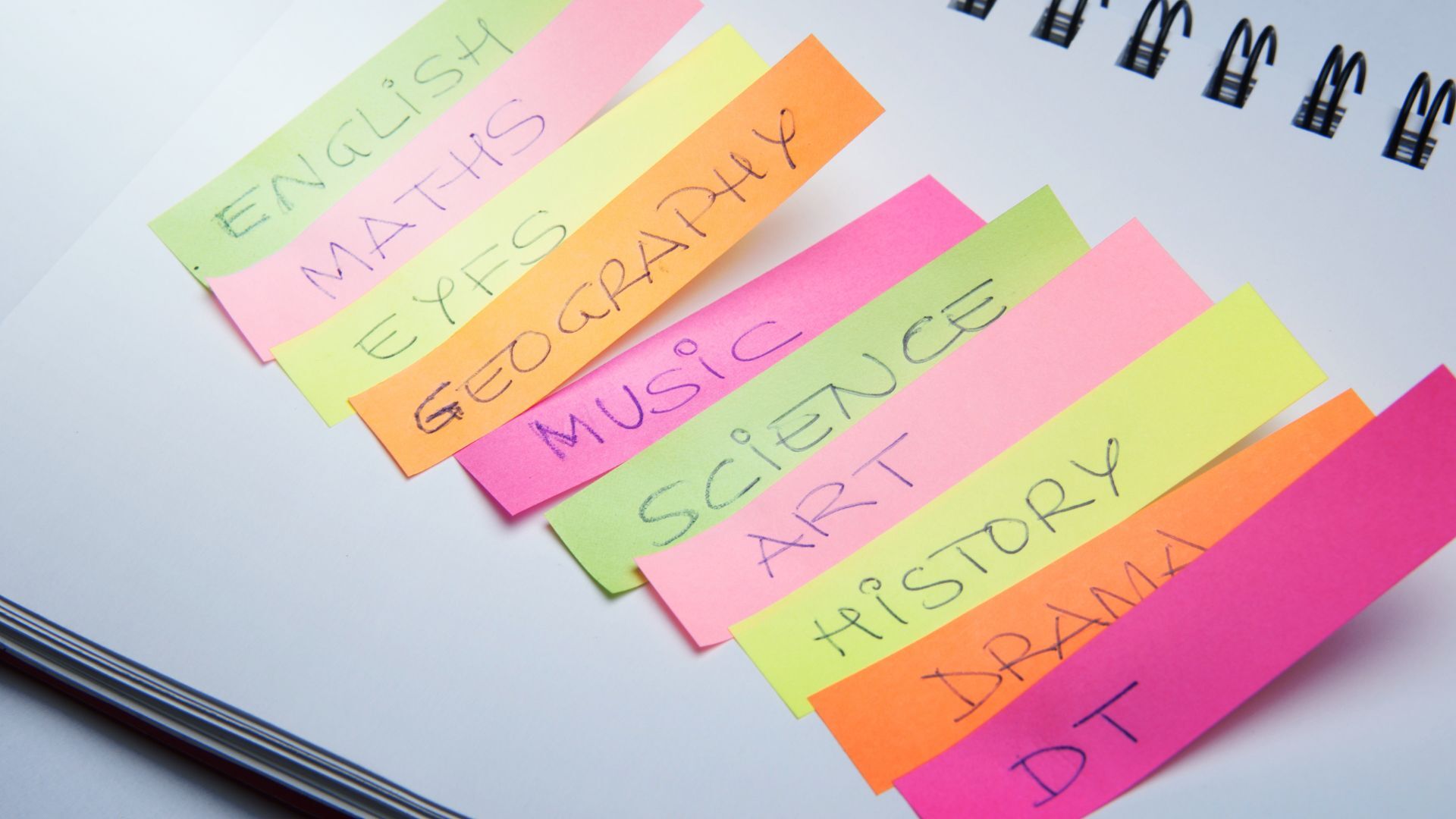
How to Choose Your IB Subjects Guide
Choosing IB subjects? Align your HL/SL choices with university requirements & career goals. Our strategic guide helps you avoid common mistakes for IB success.

IB Diploma Timeline
Master the IB Diploma's two-year journey with our complete timeline. Get key deadlines and guidance for the Extended Essay, TOK, IAs, and CAS from DP1 through final exams.

IB vs. A-Levels vs. AP: Ultimate Comparison
IB vs. A-Levels vs. AP: Compare core differences in curriculum, assessment, and university recognition to choose the right pre-university path for your goals.
How the IB Works Guide
A complete guide to the IB Diploma Programme. Understand its core components (TOK, EE, CAS), subject groups, and grading system. Learn why the IB offers outstanding preparation for university.
IB Diploma Benefits
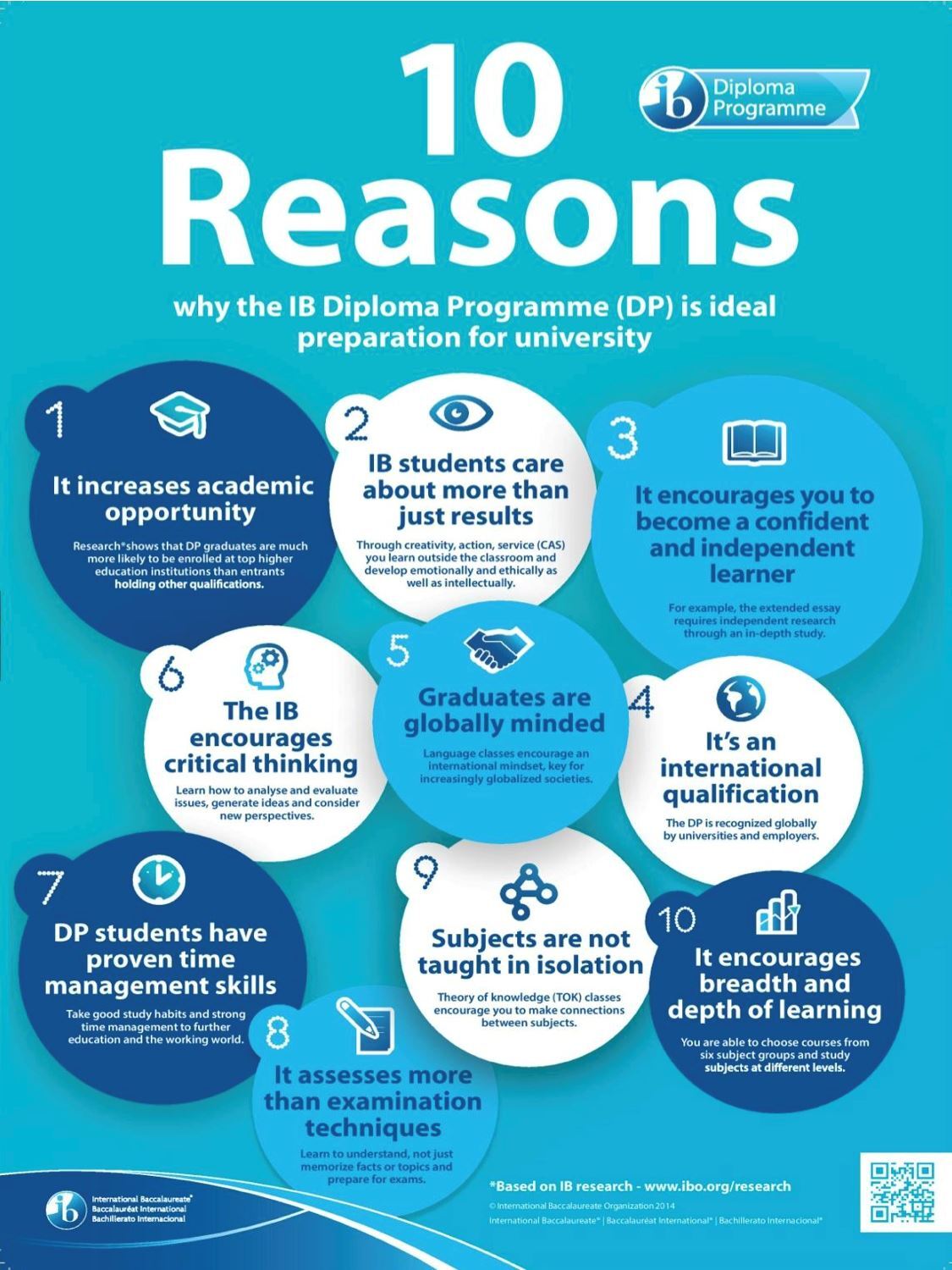
IB Diploma Benefits for Parents: Justify the hard work with our guide on university preparation and essential skill development for a successful future.

Top Skills To Develop Before IB
Master the IB before you start! Get a concise list of top academic skills (critical thinking, essay writing, and more) to develop now and gain a head start in the IB Diploma Programme.
Complete Guide to the IB Diploma Programme
Understand the IB Diploma Programme curriculum, subjects, and core elements (CAS, TOK, EE) with this expert guide. Learn how IB assessments and grading work.