-1.png?width=150&height=56&name=logotype_lanterna_education_blue%20(4)-1.png)

A-levels vs. IB: Key Differences
The question of whether to choose A-levels or the International Baccalaureate has faced many students and their parents. We know it can be difficult to understand the differences between the 2, so we hope breaking down the key differences between the 2 courses will help you decide which one is right for you.

The key difference between the International Baccalaureate and A-levels is the number of subjects that students have to take. A-level students normally take between 3 and 4 subjects, having the option of taking an AS level in year 12 in one subject and dropping this hereafter. This means that A-level student will study the subjects they take through to A-level in greater depth and can expect to have around 10 hours of teaching per subject per week. By comparison, IB students take 3 subjects at Higher Level and 3 subjects at Standard Level. In their Higher Levels, students can expect to study in equivalent detail to the A-level course, but with around 5 hours of teaching per week; whilst Standard Level subjects cover a smaller amount of content with around 3 hours of teaching per week. This allows International Baccalaureate students to study a greater range of content, perhaps sacrificing some depth in the process.
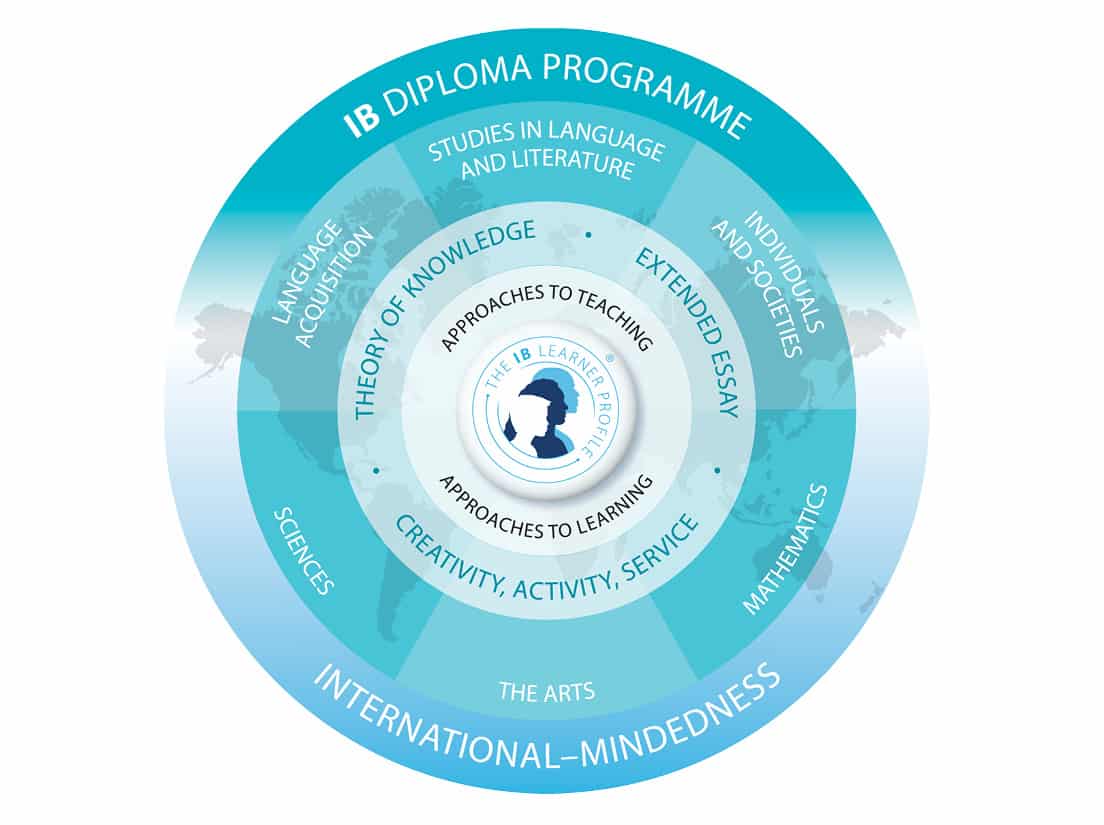
The International Baccalaureate has 6 subject groups that students can choose from. Students must study Maths, Science (or Computer Science), Humanities, a language and English, and have a free 6th choice which can be within one of the previous 5 groups or an Arts subject such as Drama. This means that IB students graduate with a wide-ranging skillset and competencies across a large number of fields. By comparison, students studying A-levels are likely to be more specialised in 3 or 4 subjects but this may come at the expense of some other skills.
A-level students have the option of undertaking an Extended Project Qualification (EPQ) in a subject of their choosing. This typically takes the form of a 1,000 to 5,000-word research project exploring an area in depth. Similarly, IB students must undertake an Extended Essay during their IB Diploma in a chosen subject area. This is a 4,000-word research project, similar to a small university dissertation, but unlike the A-level EPQ is a mandatory requirement of the IB course. Both of these research opportunities enable students to investigate a topic that they are especially interested in and so are good preparation for undergraduate academic research.
However, students also study Theory of Knowledge (ToK) as part of the IB’s ‘core’ syllabus. ToK asks students to think about the nature of knowledge: It questions how we know what we know within each of the 6 IB subject groups, developing an awareness of our assumptions and an ability to think critically. The assessment takes the form of a Theory of Knowledge presentation on a topic the student chooses and a 1,500-word essay on one of 6 prescribed questions.
Additionally, IB students also complete a Creativity, Activity and Service (CAS) project. This requires students to be involved in the arts, physical activity and voluntary work over the course of their 2-year IB Diploma. Again, this is an example of how the IB develops students who are well rounded and excel in more than their academic subjects. For a flavour of some of the CAS projects students can undertake, please feel free to read Tim’s article. If you’re considering additional support to excel in your IB studies, whether it’s navigating CAS projects, the Extended Essay, or any IB subject, check out our 1:1 Tutoring offering to get tailored academic guidance.
If you want more information on how you can effectively transition into the IB or university, we are able to meet in person or via Skype to offer help and advice, having many years of IB & university experience at top universities such as Cambridge, Oxford and UCL. Please contact us for more details.
University applications
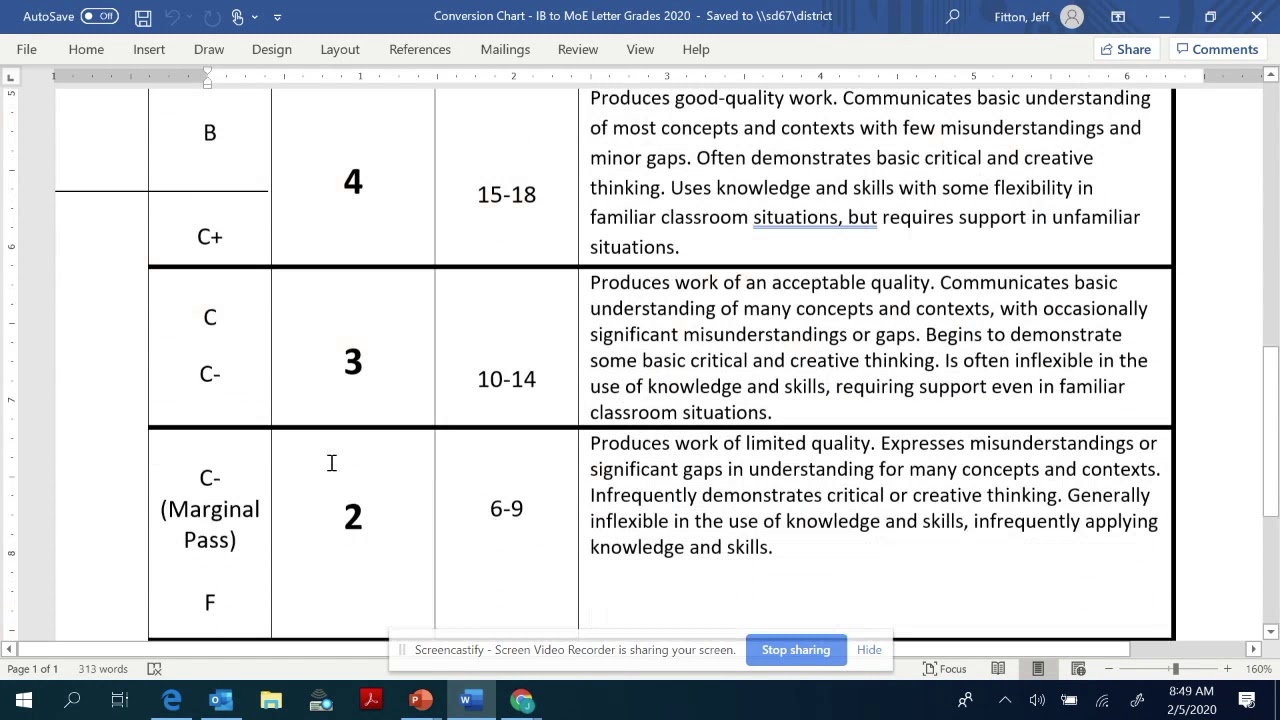
In order to compare the variety of Further Education qualifications, the University and College Admissions Service (UCAS) convert IB and A-level scores into UCAS points. This means universities can compare applicants with different qualifications directly when they apply. Below is a summary of the UCAS points A-level and IB students can hope to achieve:


It is clear that UCAS equate a level 7 at IB Higher Level with an A* at A-level, but weight a level 7 at IB Standard Level slightly more than an A (the top mark) at AS level. A-level students do gain back some ground, with an A* in their EPQ qualification being weighted 4 UCAS points higher than 2As in the IB Extended Essay and Theory of Knowledge.

We’re the Lanterna Team — a group of 600+ IB expert tutors, ranging from 45/45 IB graduates to IB teachers with 30+ years of teaching and examiner experience.
For over 20 years, we’ve supported tens of thousands IB students worldwide with one clear focus: making high achievement feel more doable. Our team of experienced tutors have come together to combine their deep curriculum knowledge with practical strategies that are proven to work.
Whether you’re building strong foundations in DP1, pushing for a final stretch in DP2, or looking for clarity on what to prioritise, we’re here to help you study smarter, stay confident, and get results.

IB vs. A-Levels vs. AP: Ultimate Comparison
IB vs. A-Levels vs. AP: Compare core differences in curriculum, assessment, and university recognition to choose the right pre-university path for your goals.
IB MYP vs GCSE Comparison Guide
IB MYP vs. GCSE: Is the Middle Years Programme right for your child? Our parent's guide explains the IB MYP curriculum, assessment, and comparison to the GCSE system.

IB vs A-Level: A Complete Guide to University Success
IB vs A-Level: Discover which diploma sets you up best for university acceptance, higher grades, and better career prospects, based on HESA student data.
5 Reasons Why to Choose the IB Diploma
Deciding on the IB Diploma? Learn 5 key reasons why choosing the IB prepares you for university success, fosters independent thinking, and keeps your options open.

Which IGCSE subjects should you choose? Here’s a guide!
Learn how to choose IGCSE subjects for the IB DP and university applications. Our guide offers expert advice on subject groups and keeping your options open.

How to Choose IGCSEs: Complete Guide for IB Students
Learn why IGCSEs are a great choice for future IB students. Discover global university recognition, flexible courses, and skills that help you succeed worldwide.
Oxbridge vs. Ivy League: Ultimate IB Student Comparison
Oxbridge vs. Ivy League for IB students: Compare application styles—Oxford/Cambridge's academic focus vs. US Ivies' holistic approach (CAS, leadership).
How to Choose Your IB Subjects Guide
Choosing IB subjects? Align your HL/SL choices with university requirements & career goals. Our strategic guide helps you avoid common mistakes for IB success.