-1.png?width=150&height=56&name=logotype_lanterna_education_blue%20(4)-1.png)

How to Write a Commentary for IB Language and Literature Paper 1
Learn how to write a commentary for IB Language and Literature Paper 1 with an expert's 14-step guide. Master SL/HL assessment criteria and ace your IB exam.
Many students, both HL and SL, come to Elite IB for assistance with Paper 1, the unseen aspect of the IB Language and Literature course. This blog aims to address some of the most common concerns and to provide students with a highly useful method to write the ideal commentary.
Standard Level
The biggest difference between SL and HL is that you only have to write a commentary on a single piece at Standard Level. The IB selects a diverse range of sources for Paper 1 extracts so the key here is flexibility. This adaptability is something you can acquire by doing lots of practice on different types of text, going above and beyond the mocks you do with your teacher.
It is very important to appreciate the IB’s assessment criteria when thinking about how to structure your commentary. These are broken down below.
Criterion A – Understanding and Interpretation
The IB is looking for an excellent overall appreciation of the text: its main message, the central purpose of the author, as well as an understanding of its basic features. You should aim to show this at the very beginning of your commentary, and this should be the first thing you are trying to understand about the text when you read it for the first time.
Criterion B – Appreciation of the Writer’s Choices
Throughout your commentary, you should bear this criterion in mind. Try not to stray too far into the broad themes of the passage because the examiners are always looking for a focus on the linguistic features of the text, and the exact techniques by which the author is conveying their overall meaning.
Criterion C – Organization and Development
You should avoid a line-by-line approach to your commentary: instead, organise your paragraphs around specific themes and features of the text.
Criterion D – Language
Write in a formal fashion, using as much precise vocabulary as possible. Avoid slang and make sure you quote frequently from the passage – around three times each paragraph.
How to write a commentary in 14 steps
- When you open the paper, look at each of the extracts and decide which text you will focus on. You should aim to practice various different types (articles, adverts, travel writing etc.) so you are comfortable with them, but it is natural for students to have a preference. Pick the text with the most substance you feel you can comment on in an intelligent manner. Spend a maximum of 5 minutes making this decision.
- Give an initial reading of your chosen passage and try to identify its overall message. Helpful questions you can ask yourself at this stage are: What is the essence of the text? What meaning is the author trying to convey? What is the central emotional resonance? What can you infer about the context?
- Spend some time thinking about this, and then formulate a thesis statement: a single sentence that states very clearly your exact impression of the text. Think of this as the what section of your commentary.
- Go over the text, this time asking yourself the question: how is the author accomplishing this aim? This should not be an attempt to spot features randomly but considering how language has been used to fulfil the essential meaning of the text. Annotate thoroughly, scouring the text for as many different linguistic devices that serve your thesis statement as you can.
- After about five minutes of close reading, you should hopefully have found three or four major linguistic areas. Select three quotations from each of these areas and organise them under headings, trying to add adjectives before them to make your points more specific: e.g. sensationalist language, use of juxtaposing quotations and erratic structure.
- Now you are ready to begin your plan. Write your full thesis statement. For example: ‘throughout the article, the author performs a subtle piece of satire that ridicules the current US President comprehensively, and this is achieved through the use of dark humour, effective linguistic motifs and a simple structure.’ The thesis statement should combine your overall impression of the passage with a precise indication of the three main linguistic areas you are going to focus on.
- Now plan each of your three paragraphs. Ideally, you will select three quotations, one from the beginning, middle and end of your text, demonstrating an appreciation for the device across the passage and noting any differences or developments. For each quotation, write a few words in your plan that will prompt you to analyse the language of the quotation directly. Overall this will mean around nine quotations, each of which you will analyse in turn throughout your commentary.
- Try and find good linking sentences between these paragraphs as you plan them, rather than beginning each paragraph with ‘Another aspect of the text is…;’ Using good conjoining sentences will make your commentary seem more than the sum of its parts and help you fulfil Criterion C.
- Once you have completed this for all your paragraphs, you are ready to start writing! You should spend around 30 minutes on your plan: this may seem like a lot but it will mean that when you come to writing the commentary you will be able to do so much more fluently and will save yourself time.
- Begin the commentary with some brief context about the passage, no more than a few sentences. After that should be your thesis statement, which should be stated in a precise and clear manner. Then outline the three main areas you will be focusing on, indicating the approach you will take, remembering to include precise adjectives.
- Next, go into your first paragraph. Think of each paragraph as being a mini-essay. Just as the introduction serves as the basis from which the rest of your essay is expanded, each paragraph should unfold neatly from its opening sentence. Therefore each of your quotations should merely be illustrations of the point you make in your opening sentence. Make sure you analyse the specific language of each quotation, remembering each time to connect those thoughts to the message of your thesis statement.
- In between each paragraph, try to use as many connecting sentences as possible. If, for example, the sarcastic tone of an article is conveyed through its structure, use this as the bridge between those two paragraphs.
- As you progress through the commentary, remember to quote frequently from the text. Keep the quotations short so you can go into lots of details about the techniques being used.
- Your conclusion, much like your introduction, should not be very long. Hopefully, the process of writing the commentary has prompted you to think of something in addition to your original thesis statement. Perhaps there is greater subtlety you wish to add at this stage. Make one additional comment on the text overall and then recap the main areas you have written about. End with a direct reference to your original thesis statement.
The more you practice, the more you will feel able to write four or five paragraphs in your commentary. This is absolutely fine, and the same method suggested here can also be used.
Higher Level
This is a great chance to display your skills in comparison and contrast, something you will be familiar with from other parts of the IB.
Assessment Criteria
The main difference with the HL criteria is Criterion A: Understanding and comparison of the texts
Level 5 – ‘There is an excellent understanding of the texts, their context and purpose, and the similarities and differences between them; comments are fully supported by well-chosen references to the texts.’
A lot of the method for planning and structuring the commentary at HL is similar to the SL method, so what follows is some useful advice on how to Compare and Contrast.
- Always organise your paragraphs around particular themes and features of the text.
- Focus on the points of similarity in these themes within each paragraph, and then move on to discussing the differences. You should avoid writing a commentary that deals entirely with one passage and then another since the IB is looking for a coherent structure that can synthesise both passages into a single effective commentary.
- In your paragraphs, remember always to directly analyse any language that you quote. This should involve some comment on the way in which the author’s language is shaping their meaning, and also the effects on the reader.
- You should always use the guiding questions that the IB gives as part of the Paper 1 question, but be sure to be more precise than this when you are structuring your essay. In your introduction, it can be tempting to follow the guiding questions broadly and write something like, ‘and this is achieved through the use of tone’ but this is actually rather imprecise and not what the examiners are looking for. It is absolutely fine to use these prompts in your commentary, but always be sure to specify the way in which this feature has been used rather than just a generic reference. Therefore, rephrase it in your introduction by saying, for example, that you will discuss the use of ‘sardonic tone’.
- Try to infer as much about the context as possible: the date of the publication, the information in the passage, your own knowledge about what is being discussed. Use this to inform your ideas about who the readership of the text might be, and therefore the effects that certain techniques might have on these readers.
- Finally, remember to keep quoting directly from both texts. Avoid going off into broad comparisons between ideas in both texts, and remember to keep your commentary grounded in the language that is being used, and the relationship that has to the overall meaning of the text.

We’re the Lanterna Team — a group of 600+ IB expert tutors, ranging from 45/45 IB graduates to IB teachers with 30+ years of teaching and examiner experience.
For over 20 years, we’ve supported tens of thousands IB students worldwide with one clear focus: making high achievement feel more doable. Our team of experienced tutors have come together to combine their deep curriculum knowledge with practical strategies that are proven to work.
Whether you’re building strong foundations in DP1, pushing for a final stretch in DP2, or looking for clarity on what to prioritise, we’re here to help you study smarter, stay confident, and get results.
Why Lanterna?
IB English Language and Literature Paper 1 is an unseen commentary task where students analyse one or two non-literary texts. At Standard Level (SL), you analyse a single text, while at Higher Level (HL), you compare two texts, focusing on how language creates meaning and effect. It assesses your ability to understand, interpret, and analyse writer's choices under timed conditions.
The main difference lies in the number of texts and the assessment focus. SL students write a commentary on a single unseen text. HL students, however, must compare and contrast two unseen texts, demonstrating an understanding of their similarities and differences in context, purpose, and linguistic features. This requires a more complex comparative analytical approach.
The assessment criteria are absolutely crucial as they outline exactly what examiners are looking for. For both SL and HL, criteria cover understanding and interpretation, appreciation of writer's choices, organisation and development, and language. HL adds a specific criterion for understanding and comparison of texts. Structuring your commentary around these criteria is key to achieving high marks.
A thesis statement is a single, clear sentence in your introduction that articulates your overall impression of the text(s) and precisely indicates the main linguistic areas you will focus on to support that impression. It acts as the central argument of your commentary, guiding your analysis and providing a roadmap for your essay.
Focus on how language is used to achieve the author's purpose, rather than just identifying features. Select specific, short quotations and explain their effect on the reader and how they contribute to the text's overall meaning. Avoid a line-by-line summary; instead, group your analysis by themes or significant linguistic areas, always linking back to your thesis.
Lanterna's expert IB English tutors, many of whom scored 40+ in the IB or have examiner experience, can provide personalised guidance. We help you master the commentary structure, refine your analytical skills, practice with diverse unseen texts, and understand the nuances of the assessment criteria for both SL and HL, ensuring you approach Paper 1 with confidence and a clear strategy.
The Lanterna free IB consultation is a no-pressure, 20-30 minute session with one of our experienced IB Student Success Experts. It's designed to give you clarity on your IB journey, whether you're struggling with Paper 1, other subjects, or general IB strategy. You'll get a personalised plan and clear next steps, with zero obligation to book tutoring.
Yes, it's absolutely free, with no obligation to book tutoring. There's no catch – we believe in providing genuine value upfront. Our goal is to help you understand your current situation, identify priorities, and walk away with a personalised plan, backed by our team's extensive IB experience. It's a chance to get expert advice without any commitment.
Our Student Success Experts are highly knowledgeable individuals with deep experience in the IB Diploma Programme. They've guided thousands of students and parents, offering strategic advice, clarifying doubts, and helping to map out effective study plans. They understand the IB inside out and are here to support you in navigating its challenges.
Absolutely. Our network of over 600 expert IB tutors covers all IB subjects at both SL and HL. Whether you need help with your English IA, Extended Essay, other subject content, or general exam technique, our tutors provide tailored, online support to help you achieve your academic goals, no matter where you are in the world.
Practice with a wide variety of text types (articles, adverts, speeches, etc.) to build flexibility. Time yourself to simulate exam conditions, including the planning stage. After writing, critically review your commentary against the assessment criteria, focusing on how well you've analysed linguistic features and structured your arguments. Seeking feedback from an expert tutor can also significantly accelerate your progress.
It's common to feel overwhelmed, especially with unseen texts. Break down the task into manageable steps, focusing on consistent practice. If you're still struggling, consider booking a free Lanterna IB consultation. Our Student Success Experts can help you identify your specific challenges, create a clear study plan, and explore how personalised tutoring could provide the targeted support you need to build confidence.
More free resources
.png)
IB English: Lang & Lit vs. Lit Ultimate Guide
IB English: Lang & Lit vs. Literature? Compare syllabus, SL/HL assessments, and reading lists to choose the right course for your IB Diploma.
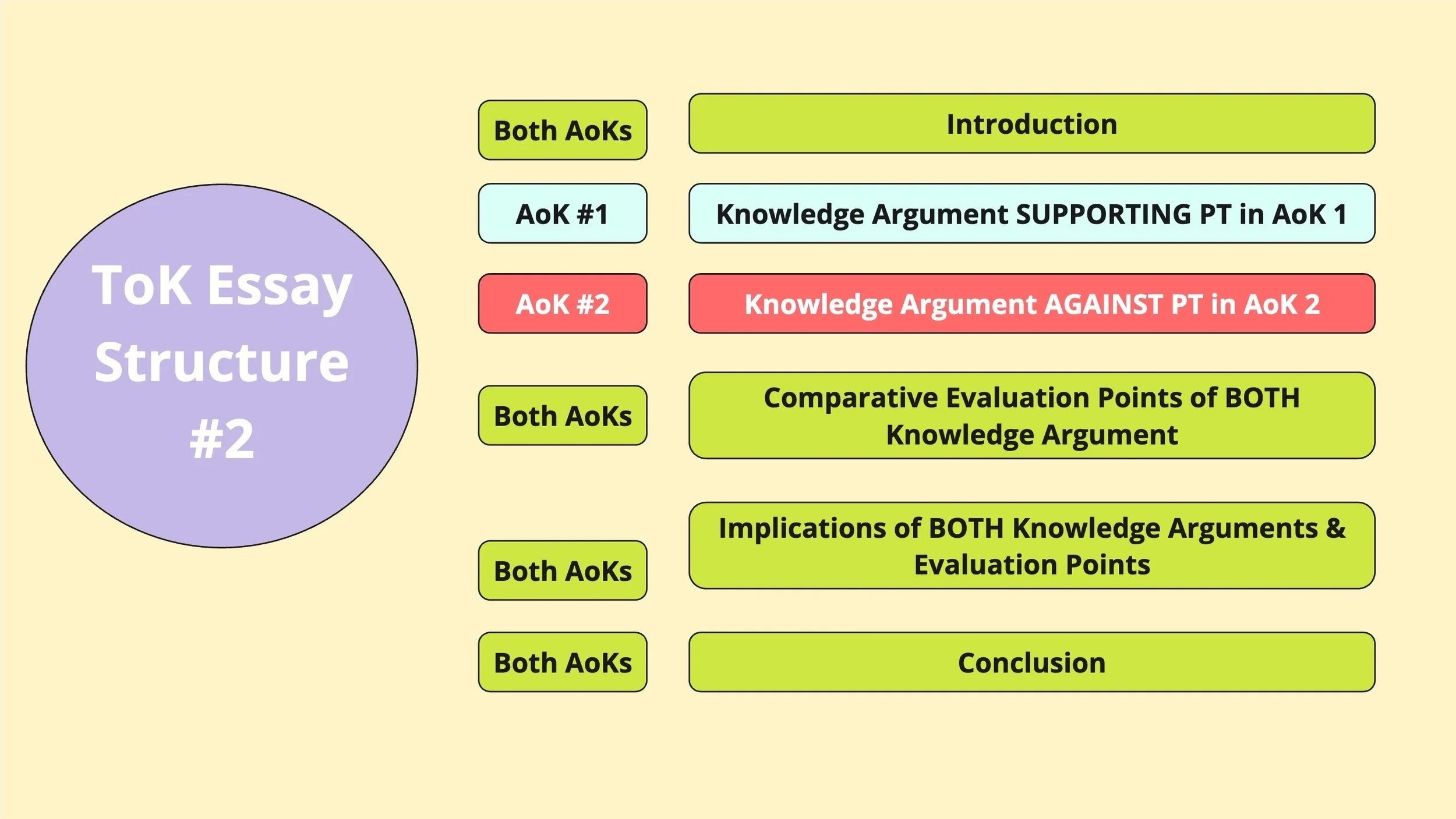
IB TOK Essay Structure Guide
Master the IB TOK Essay structure with our complete guide. Get step-by-step outlines for your introduction, AOK paragraphs (claims/counterclaims), and conclusion to hit top markbands.

How to choose: IB Literature vs. Language & Literature
Deciding between IB Literature and Language & Literature? Learn the exact differences in focus, texts studied, and assessment requirements for IB English A courses.

Complete Guide to the IB English Literature IA
Understand the IB English Literature IA requirements. Learn about the 3 parts, word counts, oral commentary tips, and grading criteria from an expert IB tutor.

Complete Guide to IB English Paper 2
Master the IB English Paper 2 comparative essay. Learn how to structure your answer, manage time, and apply expert revision tips for a balanced, high-scoring response.

How to Write Strong IB Argumentative Essays
Mastering IB argumentative essays is key to top grades. Learn expert strategies for strong evidence, logical premises, and critical self-evaluation in your IB IAs and TOK Essay.

How to Plan IB Exam Essays Effectively
Learn how to plan IB exam essays effectively, even when time is tight. Master the simple essay plan grid and expert revision tips for concise, high-scoring responses.
How to Write a Successful IB Essay: Top Tips
Learn how to write a successful IB essay and score higher grades. Get top tips from an expert tutor on structure, planning, and clarity for your next assessment.
Professional Support for the Final Push
GRADUATES
TEACHERS
EXAMINERS
BOOK A FREE CONSULTATION TODAY
Stockholm based, supporting students worldwide. We are IB experts committed to achieving your academic goals.
ABOUT US