-1.png?width=150&height=56&name=logotype_lanterna_education_blue%20(4)-1.png)
5 Things Successful IB Alumni Wish They Knew All Along
You go to a party and someone is wearing the same outfit as you – if only you’d known! You’re playing COD and a camper kills you three times from the same hiding spot – if only you’d known! In the IB exam you don’t get the questions you wanted – don’t score the points you wanted – don’t get the university you wanted…if only you’d known. That feeling is horrible, realising what you need to do too late is the worst feeling, but it’s totally possible to avoid.
(everyone has regrets, make sure the IB isn’t one!)
This month I have been asking IB graduates what tips they wish they’d known when they started the IB. Here I’ve taken their advice and boiled it down to 5 key tips that successful IB alumni wish they had known all along. Hopefully some of it will be helpful to you because…now you know!
1. Write down tasks after you have completed them.
I know this sounds completely mad. After all, why would you bother writing down a todo list for things you have already done. However, writing things down when you’ve finished them can be really useful. This gives you a list of things you have been successful with. Stick this list up above your desk – it will motivate you. Looking at your past successes is one of the best ways to get motivated, and having a ‘done list’ is this technique in its best form.

(positive thinking is very important to your success and your sense of self-worth)
2. Get started with something easy.
Sometimes it’s impossible to get yourself going in the morning. Or maybe you have an essay that you need to start but you can’t make yourself do what you need to. This is something that I struggled with when I did the IB but it isn’t too hard to solve. If you can’t get started with a big project, choose something super-easy and start that. For an essay, do some research, for your math homework do the first question, for French listen to a podcast. Just get going! Doing easy tasks is a great way to get started and to begin building up momentum.

3. Control your technology!
Your teachers, your parents and your advisers all grew up in a radically different learning environment to you. They want to help you but they don’t know how distracting technology can be. You know how distracting Facebook can be, or how easy it is to start off doing research for your Internal Assessment and end up watching a trailer for the new Batman film.
But there are basically two things you can do to control your tech:
- Make a User Account on your computer that is just for studying. You shouldn’t log into your email, facebook etc. here. Using the Guest account can be a good idea. This will mean there are no games you can access, no social media etc. It’s much less distracting!
- Try disabling the internet – you can switch off your router or use a free app like Cold Turkey or No Procrastination.
4. Take effective breaks.
To concentrate you must take breaks. Your brain cannot absorb new information without regular breaks. Spacing your work out into blocks with breaks in between is the best way to remember new material. One thing I’ve noticed is that breaks only really work if you are doing something radically different from your work. For example, if I am sitting at a computer researching Ancient Rome for my history coursework, then sitting at my computer researching my friends’ ancient Facebook pictures isn’t much of a break. Instead try:
- Getting food
- Getting a drink
- Going outside
- Listening to music (dancing is optional…but advised)

(Cool Cat knows how to do it!)
5. Use Parkinson’s Law to your advantage.
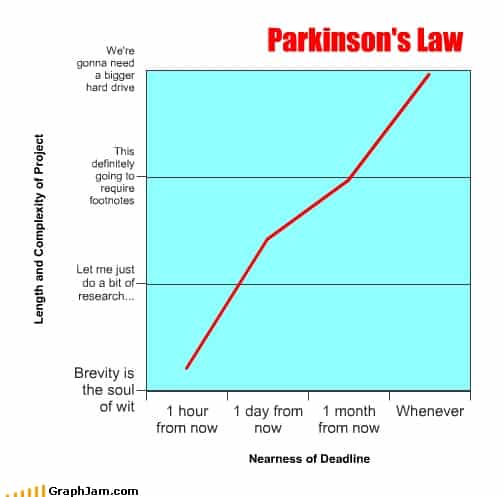
Parkinson’s law states that “work expands so as to fill the time available for its completion”. This means that if you have a long time to do a task, you will take a long time to finish that task. One way you can use this law to your advantage is to limit the amount of time you have. Let’s say you have 10 maths questions to do, you could sit with them on your desk for days! However, if you set yourself 2 hours to do the questions you will try your best to get them done in that time. If you didn’t leave enough time then give yourself more time on your next homework. Don’t try and give yourself more time or you will never believe the rules you set yourself.

We’re the Lanterna Team — a group of 600+ IB expert tutors, ranging from 45/45 IB graduates to IB teachers with 30+ years of teaching and examiner experience.
For over 20 years, we’ve supported tens of thousands IB students worldwide with one clear focus: making high achievement feel more doable. Our team of experienced tutors have come together to combine their deep curriculum knowledge with practical strategies that are proven to work.
Whether you’re building strong foundations in DP1, pushing for a final stretch in DP2, or looking for clarity on what to prioritise, we’re here to help you study smarter, stay confident, and get results.
.png)
Is The IB Hard? The Honest Truth & How To Succeed
Is the IB Diploma hard? Get the honest truth and data on why it's stressful (time management) and learn proven strategies to manage the pressure and succeed.
.png)
IB Stress Survival Guide
Beat IB stress and burnout with expert techniques. This guide covers time management, effective revision, and mindfulness habits to help you stay calm, focused, and ace your exams.

How to Get Organized for the IB Diploma
Master the demanding IB environment. Get essential tips and strategies on how to stay organized, manage your time, and set yourself up for success in the Diploma Programme.

The Beginners Guide to the IB Program
Understand the International Baccalaureate (IB) program: its diploma structure, core components (Extended Essay, CAS, TOK), curriculum, and benefits for university success.

How to Cope with IB Exam Stress: Complete Guide
Cope with IB exam stress using expert tips for preparation, handling panic during the test, and post-exam reflection. Get practical advice and revision tips.

How to Get 45 Points: IB Tips from Top Scorers
Learn how to get 45 points in the IB Diploma with 23 expert revision tips and study strategies directly from top scorers who achieved the maximum grade.

How to Achieve a Study-Life Balance in IB
Learn how to achieve a healthy study-life balance in the IB with non-cliché, actionable revision tips from an expert tutor who scored 41 points while still having fun.

How to Ace the IB as a Lazy Student
Ace the IB without working hard! Learn expert revision tips for lazy students, including the rule of threes and smart study techniques.