
Your IB Guide to Academic Honesty: How to Avoid the Pitfalls
Understand the IB's academic honesty policy. This guide explains plagiarism and collusion, outlines the severe consequences, and provides essential tips for proper citation.
Your IB Guide to Academic Honesty: How to Avoid the Pitfalls
Let's talk about something that can feel a bit scary but is absolutely critical for your IB success: Academic Honesty. Think of it not as a list of rules designed to catch you out, but as the core principle of respecting your own work and the work of others. Getting this right is non-negotiable for protecting your grades and your diploma.
This guide will break down exactly what you need to know, from the most common mistakes students make to a practical checklist for staying in the clear.
The "Big Two": Plagiarism and Collusion Explained
Most academic misconduct cases fall into one of these two categories. Understanding the difference is your first line of defence.
1. Plagiarism: More Than Just Copy-Pasting
Plagiarism means presenting someone else's ideas or work as your own without giving them proper credit. It's often unintentional, stemming from sloppy note-taking, but the consequences are the same. Watch out for these common forms:
- Direct Plagiarism: The classic copy-paste. Taking text word-for-word from a source without using quotation marks and a citation.
- Paraphrasing Plagiarism: Putting someone else's idea into your own words but failing to cite the original source. Your words, their idea – it still needs a citation!
- Mosaic Plagiarism: Weaving together phrases and sentences from different sources to create a new paragraph. If you're not citing each piece, it's still plagiarism.
- Self-Plagiarism: Yes, you can plagiarise yourself! Submitting the same piece of work (or parts of) for different assessment components is not allowed. Your History IA and EE must be entirely separate projects.
2. Collusion: The Line Between Teamwork and Cheating
Collusion is supporting academic misconduct by another student. This is where the line between helping a friend and cheating can get blurry. Collaboration on ideas is often encouraged, but the work you submit must be 100% your own.
Here’s the difference:
- ✅ Collaboration: Discussing concepts from a Physics lesson with a friend to understand them better.
- ❌ Collusion: Giving that friend your completed lab report to "use as a guide," and they end up submitting work that is almost identical to yours.
- ❌ Collusion: Asking someone to edit or rewrite parts of your essay for you.
- ❌ Collusion: Sharing your exam notes or answers with another student.
What's at Stake? The Real Consequences
The IB takes academic malpractice very seriously. The penalties are designed to be a deterrent and to ensure fairness for every student. Here’s what can happen if you're found in breach of the rules:
- A Warning or Grade Penalty: For minor issues, like improper citation in one section, you might lose marks for that component or receive a formal warning.
- A Zero for the Component: For more significant issues, like a partially copied IA, you'll likely receive a zero for the entire assessment. That's a massive blow to your subject grade.
- No Grade for the Subject: For serious malpractice, like cheating in an exam or submitting a largely plagiarised Extended Essay, you may receive no grade for that subject.
- Diploma Withheld: In the most severe cases, the IB may decide not to award you the Diploma at all. All that hard work, gone.
Beyond the IB: Remember that academic misconduct can appear on your school transcripts. Universities can, and do, withdraw conditional offers if they discover an instance of plagiarism or collusion.
Your Defence Plan: The Ultimate Citation Checklist
Proper citation is your best tool to uphold academic honesty. It's how you show respect for other researchers and demonstrate the depth of your own learning. Follow this checklist every time.
- When in doubt, cite it out. This is the golden rule. If an idea, fact, image, or piece of data did not originate in your own head, you must acknowledge its source.
- Quote it right. If you use someone's exact words, they MUST be enclosed in quotation marks and followed immediately by an in-text citation, including a page number where possible.
- Paraphrasing still needs a reference. Even when you rephrase an idea, you're still using someone else's intellectual property. Acknowledge the original author with an in-text citation.
- Be ruthlessly consistent. The IB doesn't mandate one specific style (like MLA or APA), but you MUST pick one and use it consistently throughout your entire piece of work. Check what your school prefers.
- Master the two-part system. You need both:
- In-text citations: The short marker right after the information in your essay (e.g., Smith, 2021).
- A full bibliography/works cited list: The complete list of all sources at the very end of your work.
- Keep meticulous notes during research. As soon as you pull a quote or an idea from a source, copy the citation information into your notes immediately. Trying to find it again weeks later is a recipe for accidental plagiarism.
- Use your tools wisely. Ask your IB Coordinator if your school provides access to Turnitin. You can often use it to check your own work for originality before you submit, giving you a chance to fix any mistakes.

Hi, I’m Manmohini, an IB graduate with 40 points, now studying International Relations and Global Affairs in Italy. I earned 7s in HL History and HL English A, along with an A in TOK, and I’ve been tutoring these subjects for around four years. My experience working with organisations like NATO and the United Nations has deepened my understanding of global issues — something I love bringing into my lessons to make learning more relevant and thought-provoking. I focus on helping students see connections between ideas, develop strong essay and critical thinking skills, and approach the IB with confidence and curiosity rather than stress. My lessons are interactive and tailored to each student’s goals, whether that’s improving analysis, refining writing, or mastering exam techniques. I see tutoring as more than academics — it’s about building perspective and empowering students to express themselves clearly while staying balanced.. When I’m not tutoring, you’ll usually find me hiking, playing new music, or planning my next travel adventure.

Why Lanterna?
Plagiarism is presenting someone else's work or ideas as your own without proper citation. Collusion is supporting another student's misconduct, for example, by letting them copy your work. Both are serious breaches of the IB's Academic Honesty policy, and understanding the distinction is crucial for maintaining integrity in all your assignments.
This is a common concern. The best way to avoid it is by developing strong research habits: always keep detailed notes of your sources, be consistent with your chosen citation style, and remember to cite everything that isn't your own original idea. If you're struggling to paraphrase or integrate sources correctly, a Lanterna tutor can provide 1-on-1 guidance to build these essential academic skills.
The IB takes academic honesty very seriously. Consequences vary based on the severity of the case, ranging from a warning or zero marks on an assessment component to, in serious cases, not being awarded a grade for the subject or even the full IB Diploma. It can also negatively impact university applications, so it's vital to be diligent.
The IB does not require a single specific citation style. The most important rule is to choose a recognised style, check if your school has a preference, and then apply it consistently throughout your entire project, including both in-text citations and the final bibliography or works cited list.
Lanterna tutors are expert IB graduates who have mastered the research and writing process. While they cannot do the work for you, they can act as a mentor by teaching you how to structure your arguments, correctly paraphrase sources, and apply citation rules consistently. This support helps you build confidence and ensure your final submission reflects your own hard work and academic integrity.
The Lanterna IB consultation is a free, 20–30 minute online call with a Student Success Expert. It's an opportunity for students and parents to discuss specific IB challenges, like managing IA deadlines or ensuring academic honesty, and receive a personalised plan to achieve their goals.
Yes, the consultation is completely free and there is absolutely no obligation to purchase tutoring. Our goal is to provide genuine value and expert advice to help your family navigate the IB with more clarity and confidence. You will leave the call with a clear plan and actionable next steps.
Our Student Success Experts are dedicated IB specialists who have deep knowledge of the Diploma Programme. They act as academic advisors who listen to your unique situation during the free consultation and help you map out a strategy for success, whether that involves our tutoring or simply better study habits.
The consultation is for any IB student (DP1 or DP2) or parent who wants expert guidance on their IB journey. Whether you're feeling overwhelmed, aiming for top marks, or have specific questions about things like IAs, EEs, or academic honesty, our experts can provide clarity and create a tailored plan for you.
You will leave the 20-30 minute call with a clear, personalised plan to tackle your challenges and achieve your goals. If you and your Student Success Expert decide that tutoring is a good fit, they can match you with an ideal tutor. However, the primary outcome is the plan, and there is no pressure to proceed with tutoring.
More free resources

The Ultimate IB History IA Guide: Topics, Structure & Common Pitfalls
Master your IB History IA with our complete guide. Learn how to choose a high-scoring topic, understand the assessment criteria, and avoid common pitfalls.
.png)
The Ultimate Guide to Nailing Your IB Internal Assessment (IA)
A complete guide to the IB Internal Assessment. Learn how to choose a topic, manage your timeline, and structure your IA for a top grade. Includes tips for parents.

Mastering IB Command Terms: Your Ultimate Guide
Master your IB exams by understanding key command terms. Our expert guide provides a complete list of definitions for terms like 'analyze', 'discuss', and 'evaluate'.
.png)
Your IB Stress Survival Guide: Beat Burnout & Ace Your Exams
Learn to manage IB stress with expert techniques for time management, revision, and mindfulness. Discover practical ways to stay calm and focused through your exams.
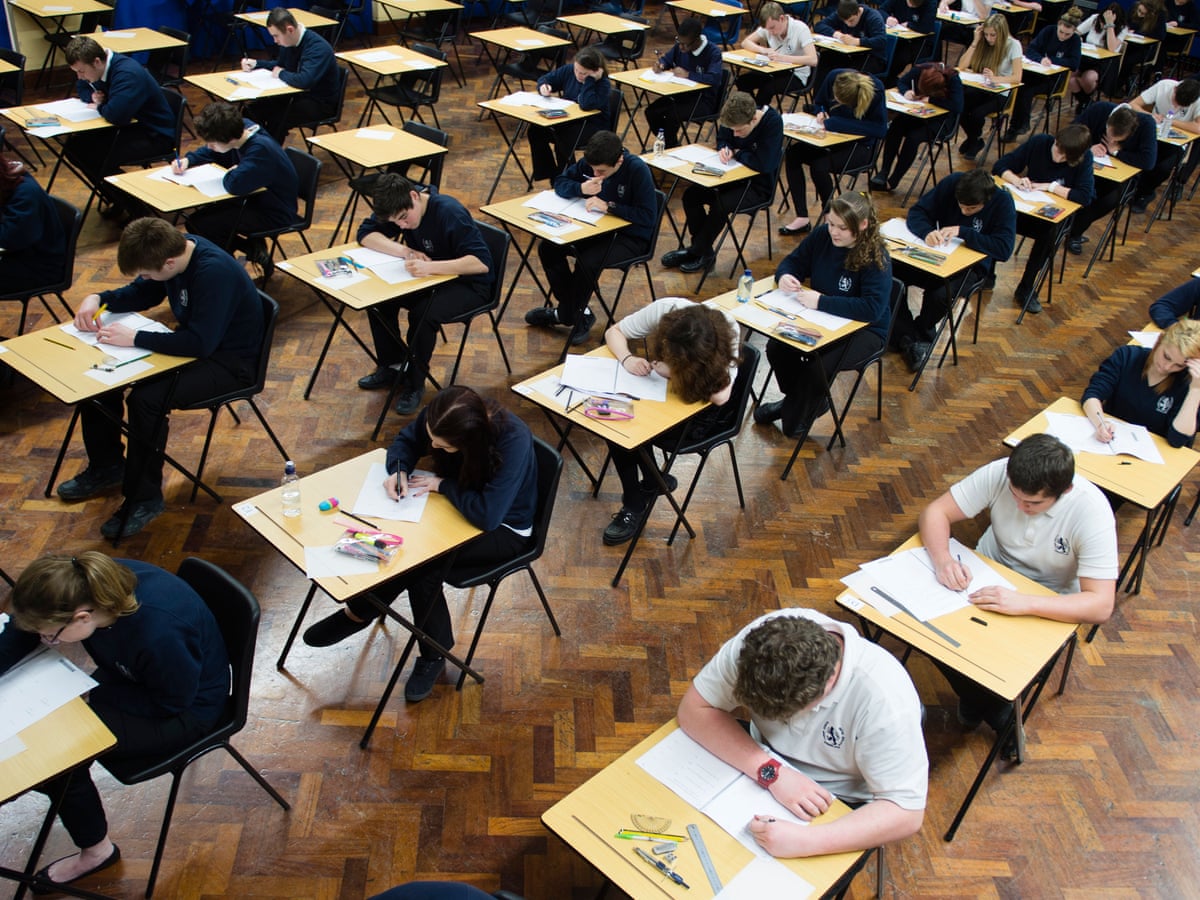
The Ultimate Guide to Acing Your IB Mock Exams
Master your IB mock exams with our expert guide. Learn how to prepare effectively, avoid common mistakes, and understand how results impact your predicted grades.
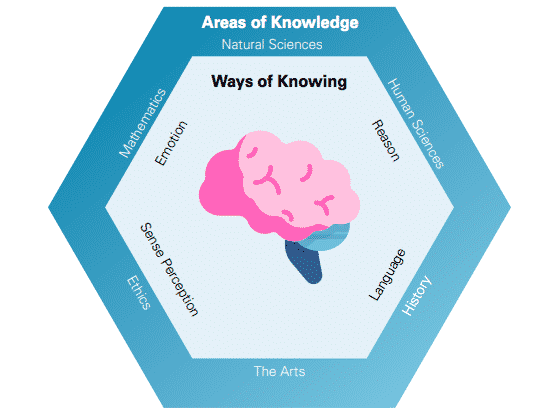
IB Theory of Knowledge (TOK): A Complete Guide to Demystifying TOK
Understand the core components of IB Theory of Knowledge (TOK). This guide breaks down the curriculum, the areas of knowledge, and the two key assessments: the TOK exhibition and essay.
.png)
The Ultimate IB Organisation System: Your Guide to Juggling it All
Overwhelmed by the IB? Master organization with our expert guide. Learn to manage EE & IA deadlines, prioritize tasks, and build a balanced schedule without burnout.

The DP2 Comeback: Your Strategic Guide to Transforming IB Grades
Master your exams with our guide to the best IB revision techniques. Learn how to use active recall, spaced repetition, and past papers to study smarter and improve your scores.

Professional Support for the Final Push
GRADUATES
TEACHERS
EXAMINERS
BOOK A FREE CONSULTATION TODAY
Stockholm based, supporting students worldwide. We are IB experts committed to achieving your academic goals.
ABOUT US