Skip to content
How to prepare for the IB Diploma: Top 10 tips

How to prepare for the IB Diploma: Top 10 tips

6 min read | Lanterna Team | January 27, 2026

Prepare for the IB Diploma with these top 10 tips from an expert tutor. Learn how to assess subjects, improve study habits, and stay organized for success.

Preparing for the IB: Top 10 Tips for Pre-IB Students

So you’re starting the IB next year? We understand if you’re feeling a little nervous. With all the rumours and myths surrounding the IB Diploma, it’s rare to find any class of Pre-IB students who don’t have a tiny glint of fear in their eyes. Okay, maybe that’s an exaggeration. But at Lanterna, we felt all the same things you’re feeling before we started our own Diplomas. The thing is, there are loads of reasons to look forward to the IB too. The key is to be prepared.

With all that in mind, here we have gathered our top 10 tips for how to prepare for the IB!

1. Assess your IB subjects

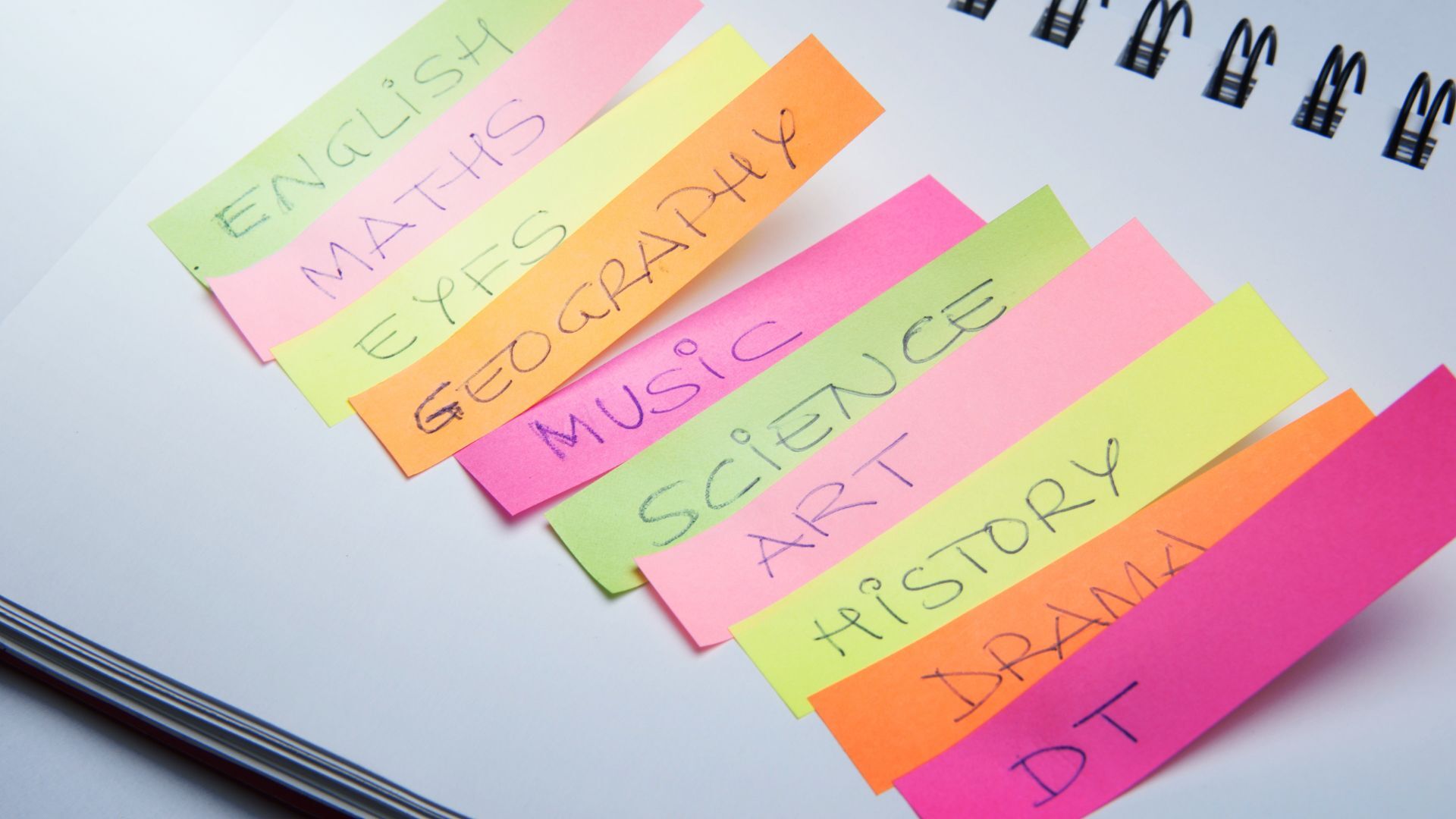
Assuming you’ve already chosen your subjects, take some time to really think about how your workload will feel next year. What subject do you think you will find hardest? What subject will you need to pay extra attention to in class? If you’re starting an entirely new subject, be prepared to give yourself more time to get to grips with how it works. The thing to remember is that everyone faces different challenges in the IB and everyone has different strengths. Importantly, no IB student finds everything easy. Becoming aware of what to expect will make next year’s transition a lot easier. To do this, try to predict:

  • Your hardest subject
  • Your favourite subject
  • The subject you’ll spend the most time on

2. Get to know your new subjects

If you’re starting a new subject that you’ve not studied before, do some research! Find out more about what it involves and what kinds of topics you’ll be learning about. Don’t worry about the specific IB syllabus, but instead focus on what you are interested in. For example:

  • Psychology – read blogs like We’re Only Human, which contains a bunch of articles about the oddities of human nature
  • Business & Management – try paying extra attention to the business section in your local newspaper
  • Global Politics – a quick browse around Google will find loads of different websites you can start digging into. Just remember that each one will have its own slant and perspective.
  • Economics – while The Economist touches on business and politics as well, it’s a good place to start if you want to find out more. Or you could go straight to basic theories here.
  • Philosophy – try out this Oxford University podcast, Philosophy for Beginners

3. Keep up the English

If English isn’t your first language it’s important that you do as much as you can to polish up your skills before starting the IB. Read your favourite book in English, watch English or American films WITHOUT the subtitles, or challenge your friends to only talk to you in English at certain times of the day!

4. Keep up the Language B

Like with English, it’s important to keep up your language B option over the summer break. The secret to improving your language skills is to put real time and effort into it. Unless you’re going to spend time travelling and speaking in a country where that language is spoken (which is a great experience if you can get it!) you’re not going to naturally absorb anything unless you commit to it. Find ways to get yourself excited about the language, whether that’s watching a Spanish TV show, or cooking using a French-language recipe book. For inspiration, have a look at these twins who taught themselves Turkish in 7 days!

5. Explore extra-curricular activities

The IB isn’t just about the academic things! The whole point of CAS is that the IB wants you to do things beyond the classroom. Use this summer as a chance to try out new activities that could turn into fun CAS projects next year. Do the thing you always wanted to do but never got round to trying – you never know, you could become the next greatest circus act, or realise it’s your calling to found a llama sanctuary.

6. Know your study strengths

Think about your study habits. Are they good? Bad? Would you recommend them to a friend? The fact is most of us don’t choose our study or work habits, we sort of fall into them by accident. This can be dangerous because it means we end up doing what is easy or obvious, but not what is best.

Now is the time to work out what study habits work for you. If you’re missing deadlines because you leave work until the last minute and then run out of time, force yourself to do your homework on the day that it is set instead of the day before it’s due. If you’re always falling asleep before you finish your homework, try starting your work earlier. Equally try changing the place where you do your work to find out if working in public (say a library or café) is better than in your bedroom. We promise you that if you can work out how you work best you will be light-years ahead of most other students starting the IB.

7. Practice getting organised

If you can never seem to get organised, or if you’re constantly finding your Math notes mixed up in your sock drawer, now is the time to turn this around. It can be easy to feel like being disorganised is as much a part of your identity as whether you like smooth or crunchy peanut butter, but the truth is, it’s far, far more fixable than that. Don’t try to change your ways in a day, but do start with the little things. Buy a folder and practice putting your notes in there, uncreased and in chronological order, for the rest of the year. Download a to-do list app and make yourself use it every single day for two weeks running. Organisation is one of the most important things to learn in the IB, and practicing now will make it a lot easier next year.

8. Ignore the IB rumours

We mentioned the rumours and myths surrounding the IB at the very start of this blog, but the thing to remember is that not all the rumours are true. In fact most are total lies. You will be able to have a social life, and pursue your own interests, and enjoy your final two years of school! You will, as long as you stay organised and commit to staying on top of your work. It’s not hard, it just takes a little bit of effort. Similarly, don’t let rumours about how difficult a subject is put you off. Yes HL Math is hard for people who struggle with Math, but if you enjoy it, want to know more, and are good at it, OBVIOUSLY it’s a good choice for you.

9. Get support

If on the other hand you are nervous about a certain subject or the workload in general, remember that help is always close at hand. Use these last few weeks of the school year to talk to your teachers about your subjects. Get advice from them about how you can improve your studies over the summer. A little bit of extra reading or regular exercises in a subject can go a long way.

10. Get excited about starting the IB!

Last but not least, get excited! The IB is awesome. It is not only a means to a brilliant end (remember how much universities all over the world love the IB?) but a way to truly develop your knowledge, skills and experience. Throw yourself into the programme, and success is just around the corner!

Watch our video on our recent courses!

Lanterna Team
Lanterna Team
We’re the Lanterna Team — a group of 600+ IB expert tutors, ranging from 45/45 IB graduates to IB teachers with 30+ years of teaching and examiner experience.

For over 20 years, we’ve supported tens of thousands IB students worldwide with one clear focus: making high achievement feel more doable. Our team of experienced tutors have come together to combine their deep curriculum knowledge with practical strategies that are proven to work.

Whether you’re building strong foundations in DP1, pushing for a final stretch in DP2, or looking for clarity on what to prioritise, we’re here to help you study smarter, stay confident, and get results.

Why Lanterna?

Lanterna Education is the largest IB-focused education provider worldwide, supporting students in over 250 partner schools across 80+ countries. Based in Stockholm, we have over 20 years of experience helping IB students achieve the best possible score in the IB.
15,000+
IB students tutored
1.5+
Avg. IB Subject grade Increase
36/45
Median final IB score for students
4.7
Trustpilot score

The key is preparation. Start by assessing your chosen subjects to understand potential challenges, research new subjects you're taking, and actively work on improving your language skills (English and Language B). It's also crucial to develop strong study habits and organisational skills, and to explore extracurricular activities for CAS. Most importantly, ignore the negative rumours and get excited about the journey!

If you're taking a new subject, take time to research it. Focus on what interests you rather than the specific syllabus initially. Read relevant blogs, news articles, or listen to podcasts to get a feel for the topics and concepts involved. This proactive approach will make the transition smoother and help you grasp how the subject works.

The IB Diploma is demanding, and strong study habits and organisation are crucial for managing the workload effectively. Developing good habits now, like doing homework promptly or finding your optimal study environment, will put you ahead. Practicing organisation, even with small steps like using folders or a to-do list app, will significantly reduce stress and help you stay on top of your assignments and deadlines throughout the program.

Many rumours about the IB are exaggerated or simply untrue. While it's a rigorous program, you absolutely can have a social life, pursue interests, and enjoy your final two years of school. The key is to stay organised and committed to your work. Don't let unfounded fears or negative perceptions about subject difficulty deter you from choices that align with your strengths and interests.

If you're feeling nervous about a particular subject, the overall workload, or just want to get a head start, seeking support early can be very beneficial. Talk to your current teachers for advice, or consider external help like tutoring or IB preparation courses. A little extra guidance and confidence can make a big difference in cruising through your first year of the IB with flying colours.

The Lanterna IB consultation is a free, no-pressure 20-30 minute session with one of our expert IB Student Success Experts. It's designed to help you get clarity on your specific situation, whether you're a student, parent, or both. You can ask anything, clear up doubts, and walk away with a simple, personalised plan for what to focus on now, backed by our team's extensive experience.

Yes, absolutely! The Lanterna IB consultation is completely free of charge. There's zero obligation to book tutoring afterwards. Our goal is to provide valuable guidance and a clear plan to help you succeed in the IB, ensuring you feel confident and prepared for the challenges ahead.

Our Student Success Experts are highly experienced professionals with deep knowledge of the IB Diploma Programme. They've supported thousands of IB students and families, understanding the common challenges and best strategies for success. They are here to offer personalised advice, help you prioritise, and guide you through the complexities of the IB.

Our Student Success Experts can help you during your free consultation to review your chosen subjects, discuss potential challenges, and strategise how to manage your workload effectively. They can provide insights into what to expect and help you build a personalised plan to prepare for the academic demands of the IB, ensuring you start with confidence.

Yes, absolutely. Lanterna has a wide range of expert tutors, including those specialising in IB English A, English B, and various Language B subjects. They can provide personalised support to polish your language skills, whether it's through targeted practice, understanding specific IB language requirements, or building confidence in speaking and writing.

Lanterna boasts a global network of over 600 premium IB tutors. Our tutors include high-achieving IB graduates who scored 40+ points, experienced IB teachers with an average of 10+ years of teaching at top schools worldwide, and even former IB examiners. This diverse expertise ensures we can match you with a tutor perfectly suited to your specific subject and learning style, across all IB subjects at both SL and HL.


More free resources

All About the IB (PYP, MYP, DP, CP)
DP1DP2StudentsParentsEnglishLanguage BHumanities...

All About the IB (PYP, MYP, DP, CP)

Ultimate IB Program Guide: Explore PYP, MYP, & DP. Get clarity on benefits, workload, and global university recognition for students. Free guide from IB 7 grads.

The Beginners Guide to the IB Program
StudentsParentsEnglishLanguage BHumanitiesSciencesMaths...

The Beginners Guide to the IB Program

Understand the International Baccalaureate (IB) program: its diploma structure, core components (Extended Essay, CAS, TOK), curriculum, and benefits for university success.

How to Choose Your IB Subjects Guide
DP1DP2EnglishLanguage BHumanitiesSciencesMaths...

How to Choose Your IB Subjects Guide

Choosing IB subjects? Align your HL/SL choices with university requirements & career goals. Our strategic guide helps you avoid common mistakes for IB success.

MYP to DP Transition Guide
Pre-IBDP1StudentsParentsIAsEETOK...

MYP to DP Transition Guide

Ease the MYP to DP "shock"! Guide for parents and students on the transition, highlighting the shift from criterion-based to exam-heavy assessment and suggesting summer prep.

How the IB Works Guide
EnglishLanguage BHumanitiesSciencesMathsArtsEE...

How the IB Works Guide

A complete guide to the IB Diploma Programme. Understand its core components (TOK, EE, CAS), subject groups, and grading system. Learn why the IB offers outstanding preparation for university.

How to Make the Best Start to Your IB Year
DP1DP2StudentsIAsEETOKCAS...

How to Make the Best Start to Your IB Year

Learn how to make the best start to your IB year with expert revision tips. Master time management, establish a routine, and find balance for academic success in the Diploma Programme.

Top Skills To Develop Before IB
Pre-IBStudentsIAsEETOKCASUltimate Guide...

Top Skills To Develop Before IB

Master the IB before you start! Get a concise list of top academic skills (critical thinking, essay writing, and more) to develop now and gain a head start in the IB Diploma Programme.

How to Get Organized for the IB Diploma
DP1DP2StudentsIAsEETOKCAS...

How to Get Organized for the IB Diploma

Master the demanding IB environment. Get essential tips and strategies on how to stay organized, manage your time, and set yourself up for success in the Diploma Programme.


Professional Support for the Final Push

For over 21 years, we at Lanterna have guided over 15,000 students to success in the IB. We have 500+ expert tutors that can support you in any subject.
 

GRADUATES

Scored 40+ in the IB and 7s in the subjects they teach
Best for: skill-building & relatable mentorship
 

TEACHERS

Certified educators with 10+ years’ IB experience
Best for: curriculum clarity & confidence building
 

EXAMINERS

Current or former IB examiners & senior markers
Best for: exam preparation & top-band results


BOOK A FREE CONSULTATION TODAY

Our student success experts give you personalised advice on how to best succeed in your journey.
100% Free · No obligation

Stockholm based, supporting students worldwide. We are IB experts committed to achieving your academic goals.

ABOUT US

Get In Touch

Sibyllegatan 47, Stockholm Sweden, 114 42

Contact us

ALL RIGHTS RESERVED. COPYRIGHT 2025. LANTERNA EDUCATION LTD, NOT AFFILIATED WITH THE IBO