-1.png?width=150&height=56&name=logotype_lanterna_education_blue%20(4)-1.png)

How to Ace Your Oxbridge Interview (IB Tips)
Learn how to ace your Oxbridge interview with expert IB tips from an Oxford alumnus. Get crucial advice on aptitude tests, reading, and interview day preparation.
Navigating the Oxbridge Interview Process: Tips from an Oxford Alumnus
If you are reading this, then you probably know that the deadline for undergraduate applications to the Universities of Oxford and Cambridge is coming up soon (the 15th October to be precise). And if you are reading this, you probably also know that in order to get an offer from either Oxford or Cambridge, you need to first go through the infamous process known as the Oxbridge interview.
I remember being in this very position a few years ago, about to send off my application to Oxford. I had mixed feelings, ranging from hope to trepidation to a touch of terror. Four years down the line, however, and four Oxford interviews, one offer and a degree later, I thought I’d share with you my top tips for handling the whole process.
Before the Interview
Aptitude tests
If you’ve put in an application for Oxford or Cambridge, chances are you’ll have to sit a pre-interview test before your application progresses any further.
The Lanterna Tip: Don’t stress about these tests! While it’s not true that you don’t need to study for them, these tests are designed to use skills that you learn in class anyway. This means you normally don’t have to learn anything new (perhaps with the exception of the BMAT).
However, I would STRONGLY recommend having a go at all the practice tests online. Just like with any test, it’s super helpful to know the set-up of an exam before you go in. It’s also important to have had a couple of attempts to make sure you can finish it in the time allowed!
As I said though – try not to worry too much about them. Just make the effort to practice!
Read up!
Read, read, read and then read a bit more. At Oxbridge they make you read A LOT, whether that be literary texts or scientific journal entries. In the interview, tutors are looking to see if you like reading (and studying in general) because that is what you’ll spend most your time doing when you go to uni there…
Don’t just read, though, make sure you’re reading intelligently. For starters— have you written about a book you haven’t read on your personal statement? Claimed you read the entirety of Darwin’s On the Origin of Species? If you’ve written it, make sure you’ve read it—believe me, a tutor will be able to tell straight away if you’re bluffing!
Equally, try having some opinions on the stuff you’re reading. So if you’ve been reading some articles in an economic magazine about the impact of the Obama administration on the American economy, think about what you think and why you think it. Tutors want your opinions, just not lots of pre-learnt fact (although the facts do help…).
Invitation to Interview
It’s happened — after all the stress of writing your personal statement, swotting up for your aptitude test and reading every book you said you’d read on your personal statement, you’ve been invited to an interview. So what now?
Double check everything!
Oxbridge interviews are normally in December, which means nearly two months since you submitted your personal statement and application essay (if you had one). Make sure you go back and read over these things before your actually interview, because it’s very likely an interviewer will ask you something about it. Again, this is not something to freak out about (it’s actually super great if you think about it— they’re asking you about something you know!). It just means when you’re in the room, being interviewed, you’re not having to rack you brains trying to remember what on earth you said about tax law in your personal statement.
A Word of Caution: Also double check time and date! I worked as a student helper at interview week three years in a row. I once had to look after someone who misread the date on their email and arrived a day late for their interview. It wasn’t the end of the world— they rescheduled for her— but it was a little traumatic for the interviewee!
Pack extra
This really only applies to Oxford, where you get a little ‘holiday’ and actually stay in the college, but pack an extra day’s worth of clothes just in case. Oxford has this funny thing where sometimes you have to say on for an additional day or two for another interview. If like me when I was interviewed, you pack a little too lightly, you could be stuck without a change of clothes for a few days. Again, not awful, but not too great for those around you!
At the Interview
Check the timetable
Normally interview times are put up near where any student helpers are situated. Remember to double check this when you arrive—as I said earlier, a missed interview is never fun!
Make some friends!
You may be thinking—how on earth do I have time to make friends when I’m preparing for an INTERVIEW!?! Trust me, sometimes it’s a relief just to have a chat to other people who are going through the same thing.
Remember: These people aren’t your competition, but, if you do get an offer, they may well be your classmates next year. You might as well start getting to know each other sooner rather than later!
During the Interview
Be yourself
I cannot stress how important this is. Tutors (the people who interview you) aren’t scary monsters, but rather looking for students they want to teach! They often like students with a sense of humour, or students they think will be good at listening and taking their advice. They certainly don’t want someone who thinks they already know it all!
Don’t be afraid to have an opinion
Your interviewer may seem like the possessor of all knowledge, but don’t be afraid to disagree with them, or have your own opinion on a topic. This is precisely what they are looking for- someone who has the capacity to be analytical about their subject. In saying this, it’s important to remember that if you have an opinion, make sure you can back it up. My tutor once said to me the worst comment she ever had from an interviewee was ‘I really hate Jane Austen’ and nothing else. It’s completely fine to hate Jane Austen, but you’ve got to have a reason why. Has it got something to do with her writing style (for example)? You’ve got to be prepared to defend that explanation.
Don’t worry if you are wrong
Don’t panic if you get something wrong! Lots of students used to come to me after interviews panicking because they’d misunderstood a question, or misread a poem. I’d always tell them not to sweat it. Tutors aren’t expecting you to know EVERYTHING (what would be the point in them teaching you if so?).
Key Insight: However, they do want to see how you come to a conclusion, even if it’s wrong. Your thought process is just as important as your answer.
Ask a question
If you don’t understand something they’ve said- ask them what they mean! And equally, if you have a question you want to ask them at the end- go for it! Tutors love nothing more than to talk about their subject. If you have a question you’ve been dying to have answered, it’s probable that they’re the most qualified person to ask!
After the Interview
Don’t freak out!
I know it’s really tempting to panic after an interview. Some people will have interviews at another college, some people will be sent home straight away, some people will have to wait a bit longer to hear a decision. Whatever category you’re in, please don’t worry about it. None of these things are bad news, Oxford and Cambridge have an interview system that very few people understand (I definitely still don’t after 3 years there!).
Crucial Advice: Trying to second guess it will never, I repeat NEVER, help.
Keep going
I know it’s tough not to play over your interview in your mind countless times, but really, there is nothing you can do once it’s over, and you have to wait quite a while to hear back from either uni. If you can, try put it to the back of your mind—what’s done is done and all the jazz—and get back to focusing on your IB. Whatever happens, you’re going to need to be getting good grade there to go to any uni!
I hope this was helpful to all you budding Oxbridge hopefuls out there! As ever, watch this space for some more uni application advice, as well as the usual IB banter this blog provides (I hope…)
And one last thing:
Good Luck!

We’re the Lanterna Team — a group of 600+ IB expert tutors, ranging from 45/45 IB graduates to IB teachers with 30+ years of teaching and examiner experience.
For over 20 years, we’ve supported tens of thousands IB students worldwide with one clear focus: making high achievement feel more doable. Our team of experienced tutors have come together to combine their deep curriculum knowledge with practical strategies that are proven to work.
Whether you’re building strong foundations in DP1, pushing for a final stretch in DP2, or looking for clarity on what to prioritise, we’re here to help you study smarter, stay confident, and get results.
Why Lanterna?
Before your interview, focus on two key areas: aptitude tests and extensive reading. Practice past papers for aptitude tests to understand the format and timing. For reading, delve deeply into your subject, read intelligently, form your own opinions, and ensure you've genuinely read anything mentioned in your personal statement.
While aptitude tests use skills you already learn, practice is crucial. Work through all available past papers to familiarise yourself with the structure and time constraints. Don't stress excessively; they're designed to assess your existing abilities, but preparation helps you perform your best.
Oxbridge tutors look for genuine intellectual curiosity. Read widely within your chosen subject, but more importantly, read intelligently. Form opinions on what you read, be prepared to discuss them, and critically evaluate different perspectives. Always ensure you've thoroughly read anything you've cited in your personal statement.
First, re-read your entire application, especially your personal statement and any submitted essays, as interviewers will likely refer to them. Double-check all logistical details like dates, times, and locations. If staying overnight, pack extra clothes, as interviews can sometimes extend unexpectedly.
Be yourself, be open to discussion, and don't be afraid to have and defend your opinions. Tutors want to see how you think and learn, not just what you know. It's okay to be wrong; what matters is your thought process and how you engage with new ideas. Ask clarifying questions if you don't understand something.
It's natural to overthink, but try to put the interview behind you. The process is complex, and second-guessing won't help. Instead, refocus your energy on your IB studies, as strong grades are essential for any university offer.
Lanterna offers personalised support for Oxbridge applications, including interview preparation. Our expert tutors, many of whom are Oxbridge graduates themselves, can provide mock interviews, help you refine your subject knowledge, develop critical thinking skills, and build confidence. We focus on helping you articulate your thoughts effectively and showcase your genuine intellectual curiosity.
Absolutely. Balancing demanding university applications with the IB Diploma can be challenging. Our tutors specialise in all IB subjects at both SL and HL, providing targeted support to ensure your academic performance remains strong. We can help you manage your workload, master difficult concepts, and excel in your IAs and EEs, ensuring you meet any conditional offers.
The Lanterna IB consultation is a free, no-pressure 20-30 minute session with one of our expert IB Student Success Experts. It's designed to help you (or your child) get clarity on your current situation, whether it's about Oxbridge applications, IB subject choices, or general study strategies.
Yes, the Lanterna IB consultation is genuinely 100% free, with absolutely no obligation to book tutoring. Our goal is to provide valuable guidance and a personalised plan to help you succeed in the IB and beyond, including competitive university applications like Oxbridge. We believe in empowering students and parents with clear, actionable advice.
Our Student Success Experts are highly experienced professionals with deep knowledge of the IB Diploma Programme and university admissions processes, including Oxbridge. They are dedicated to understanding your unique needs and providing tailored advice, drawing on the collective experience of thousands of successful IB students.
The consultation is for any IB student or parent seeking guidance, particularly those navigating the complexities of Oxbridge applications. Whether you need help strategising your preparation, understanding the interview process, or simply want to ensure your IB studies are on track, our experts can provide a clear, personalised plan and answer all your questions.
More free resources
Oxbridge vs. Ivy League: Ultimate IB Student Comparison
Oxbridge vs. Ivy League for IB students: Compare application styles—Oxford/Cambridge's academic focus vs. US Ivies' holistic approach (CAS, leadership).
Killer University Motivation Letters
Master your university application with "Before vs. After" motivation letter examples. Learn what admissions officers want to see and how to showcase your IB experience.
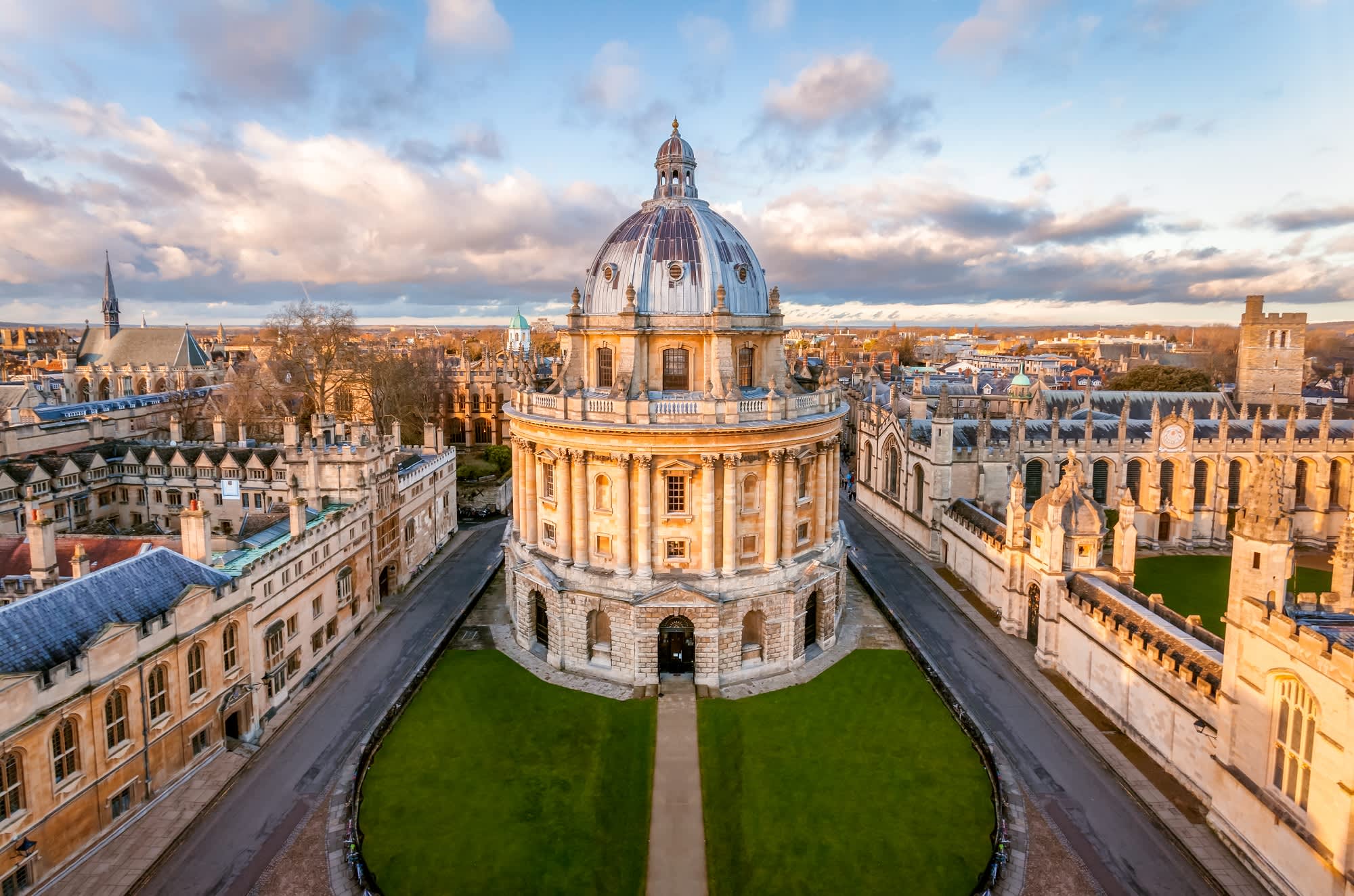
IB University Application Checklist
Get your free IB University Application Checklist: a timeline of key tasks (research, personal statements, recommendations) aligned with your IB schedule.

IB Parents Guide to University Applications
IB parents: Navigate college applications with this guide. Get expert tips on deadlines and proofreading while supporting your IB student's ownership of the process.
Top US Universities IB Recognition 2026 Guide
Find a comprehensive list of top US universities with strong IB recognition policies, compiled by 7/7 IB graduates.
How to Ace Your IB UCAS Application: Step-by-Step Guide
Learn how to ace your IB UCAS Application with this expert, step-by-step guide. Master your Personal Statement and ensure your predicted IB grades match your school's reference.
IB Score for Top Universities
What IB Score Do You Need for Top Universities? See the breakdown: 24 (Pass), 30-34 (Good), 38+ (Elite). Set realistic goals for top-tier universities.
What's a 'Good' Score for Your Dream University?
Decoding IB Scores: What's a 'Good' Score for Your Dream University? Find score ranges from minimum pass to competitive entry requirements for Oxford, Cambridge, and Ivy League.
Professional Support for the Final Push
GRADUATES
TEACHERS
EXAMINERS
BOOK A FREE CONSULTATION TODAY
Stockholm based, supporting students worldwide. We are IB experts committed to achieving your academic goals.
ABOUT US