Skip to content
IB TOK Exhibition: How it Differs from Presentations

IB TOK Exhibition: How it Differs from Presentations

3 min read | Lanterna Team | January 27, 2026

Understand the new IB TOK Exhibition. Learn how it differs from the old presentations, including objects, individual work, and the standardized assessment/grading method.

If you’ve been in an IB school for awhile, you probably remember hearing older students talking about their Theory of Knowledge presentations. You may have even watched some of them. These presentations formed the ‘internal assessment’ section of TOK, with the TOK essay as the ‘external assessment’.

The IBO recently changed the structure of the TOK course. Now, they are asking students to create a Theory of Knowledge exhibition. In this post we’ll take a look at how this differs from the old presentations and what the most important parts are.

No More Group Work!

Previously, you were asked to analyse a real life situation using a knowledge question that you created. This was designed to be a less theoretical assignment than the TOK essay. You were allowed to work on your own or in groups of up to three people. The time given for you to present varied based on the number of people in the group. This meant that the level of analysis possible varied based on the size of your group. This was often tricky to balance!

In the new Theory of Knowledge exhibition, you must work alone. This may seem like less fun, but it does help make the level of analysis expected clearer! Don’t forget that you’ll still be able to discuss your thoughts in class and bounce ideas off each other that way.

Introducing Objects

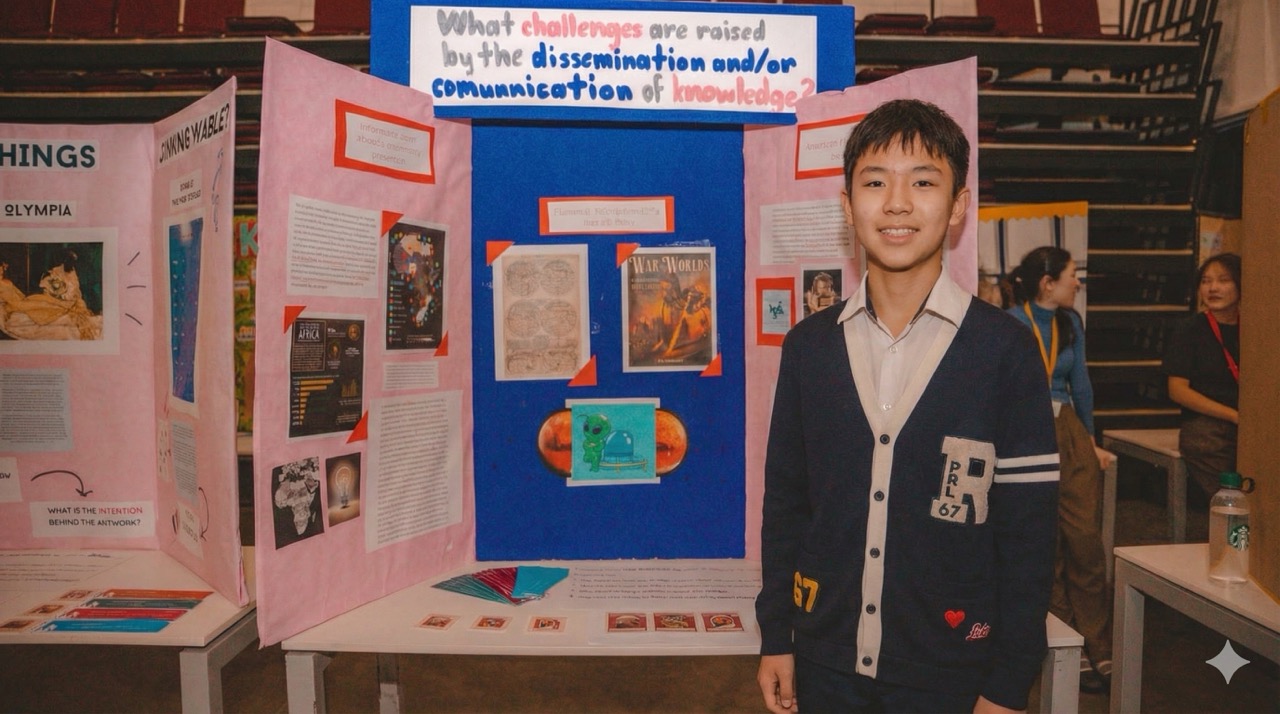
Just like the old presentation, the exhibition is all about linking the theories you’ve learnt about to real life situations. However, as it’s now an exhibition, you need to have objects to exhibit! This is probably the biggest change.

This might sound restrictive, but the definition of what an object is is actually very broad. You can include both digital and physical objects.

A digital object can be a photo of a physical object that you can’t realistically display. This might be an artefact in a museum or massive ship like the Titanic.

Digital objects can also be things like:

  • A tweet from a celebrity or world leader
  • An Instagram post
  • A news article

The key characteristic of a digital object is that it has a specific place and time associated with it. For example, a tweet has a specific location (Twitter) and time (when it was posted). This opens up so many possibilities for objects you can include!

It’s important to note that physical objects used must exist in the world generally. You can create your own objects, but they have to be recreations of pre-existing objects. This means that you can’t create your own invention to use in the exhibition.

The objects are a great way to show your creativity and enable you to investigate real life situations that are relevant to your personal interests.

New Assessment Method

Previously, the Theory of Knowledge presentation was predominantly assessed using a form that you filled out about your presentation. Students often found this frustrating as it meant you had to focus a lot on the form when you were doing a presentation.

Now, you get to choose a prompt to link your objects with. Then you get to write an analysis of each object and how it connects to the prompt that you have chosen. This may seem like extra work. However, it should mean that the grading of the exhibition is much more standardised that it was for the presentation!

One challenge is going to be staying within the word count. You get 950 words for your analysis. It’s not a lot! Focusing on being concise will be key for this.

Lanterna Team
Lanterna Team
We’re the Lanterna Team — a group of 600+ IB expert tutors, ranging from 45/45 IB graduates to IB teachers with 30+ years of teaching and examiner experience.

For over 20 years, we’ve supported tens of thousands IB students worldwide with one clear focus: making high achievement feel more doable. Our team of experienced tutors have come together to combine their deep curriculum knowledge with practical strategies that are proven to work.

Whether you’re building strong foundations in DP1, pushing for a final stretch in DP2, or looking for clarity on what to prioritise, we’re here to help you study smarter, stay confident, and get results.
Why Lanterna?

Lanterna Education is the largest IB-focused education provider worldwide, supporting students in over 250 partner schools across 80+ countries. Based in Stockholm, we have over 20 years of experience helping IB students achieve the best possible score in the IB.
15,000+
IB students tutored
1.5+
Avg. IB Subject grade Increase
36/45
Median final IB score for students
4.7
Trustpilot score

The IB Theory of Knowledge (TOK) Exhibition is a new internal assessment component that replaced the TOK Presentation. It requires students to explore how TOK manifests in the real world by selecting three objects and linking them to one of 35 prescribed TOK prompts, culminating in a 950-word written analysis.

The main differences are that the Exhibition is now an individual task (no group work), it requires students to select and analyse three 'objects' from the real world, and the assessment is based on a written commentary (950 words) rather than a live presentation. This aims for more standardised assessment and clearer expectations.

The definition of an 'object' is very broad. It can be physical (e.g., a historical artefact, a scientific instrument) or digital (e.g., a tweet, a news article, a photograph of a large structure). The key is that the object must exist in a specific time and place in the real world and allow for a deep exploration of a TOK prompt. You cannot create entirely new, fictional objects.

The Exhibition is assessed on how effectively you choose three objects, how well you link them to a chosen TOK prompt, and the depth of your analysis in the 950-word commentary. You need to clearly explain the real-world context of each object and how it illuminates the prompt, demonstrating a strong understanding of TOK concepts.

Many students find it challenging to select appropriate objects that offer rich TOK connections, choose a prompt that allows for deep analysis, and stay within the strict 950-word limit while providing sufficient depth. Conciseness and clear articulation of ideas are crucial. If you're struggling, a free consultation with a Lanterna Student Success Expert can help clarify your approach.

Our expert IB tutors, many of whom scored 40+ in the IB or have examiner experience, can provide personalised support for your TOK Exhibition. We help you understand the assessment criteria, brainstorm suitable objects and prompts, structure your analysis effectively, and refine your arguments to achieve top marks, always ensuring academic honesty.

Absolutely. Our tutors are skilled at guiding students through the brainstorming process, helping you identify real-world objects that resonate with your interests and offer strong links to TOK concepts. They can also assist in selecting the most suitable prompt to ensure your exhibition demonstrates a sophisticated understanding of TOK.

Yes, our tutors are fully up-to-date with the latest IB curriculum changes, including the new TOK Exhibition. They have extensive experience guiding students through this component, ensuring you meet all requirements and maximise your potential score.

Lanterna's free IB consultation is a no-pressure, 20-30 minute session with one of our expert Student Success Experts. It's designed to give you clarity on your IB situation, whether it's about the TOK Exhibition, other IAs, exam preparation, or general study strategies. You'll walk away with a personalised plan and clear next steps.

Yes, it's genuinely 100% free, with absolutely no obligation to book tutoring. Our goal is to provide immediate value by helping you understand your current challenges and offering expert guidance. It's a chance for you to get clarity and a simple, personalised plan from a team that has supported thousands of IB students.

Our Student Success Experts are highly experienced IB specialists who understand the program inside out. They act as your first point of contact, offering strategic advice and helping you identify your specific needs. For TOK, they can help you prioritise your approach, discuss common pitfalls, and outline a path to success, whether that involves tutoring or other resources.

The consultation is for anyone involved in the IB Diploma Programme – students, parents, or both together. Whether you're in DP1 or DP2, feeling overwhelmed, unsure about a specific component like the TOK Exhibition, or just want to optimise your study plan, our experts are there to help you gain clarity and confidence.


More free resources

35 TOK Exhibition Object Ideas
TheoryofKnowledge(TOK)DP2DP1Students...

35 TOK Exhibition Object Ideas

Master your TOK Exhibition! Get 35 diverse object ideas (tweet, toy, map projection) and guided questions to effectively link them to your IA prompts and core themes.
TOK Exhibition Guide (DP1)
DP1TOKIAsUltimate GuideDP1DP2Students...

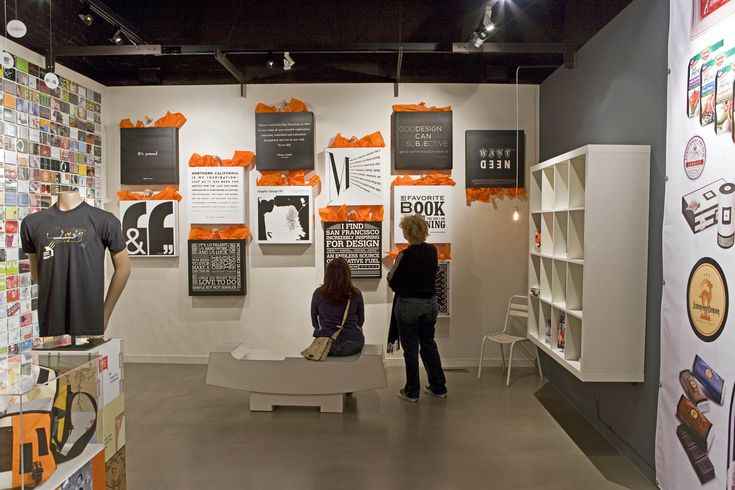
TOK Exhibition Guide (DP1)

Master the IB TOK Exhibition (DP1) with this guide. Learn structure, view examples, and get tips on connecting real-world objects to knowledge questions for top marks.
IB TOK Essay Structure Guide
TOKDP1DP2SciencesArtsDP1DP2...

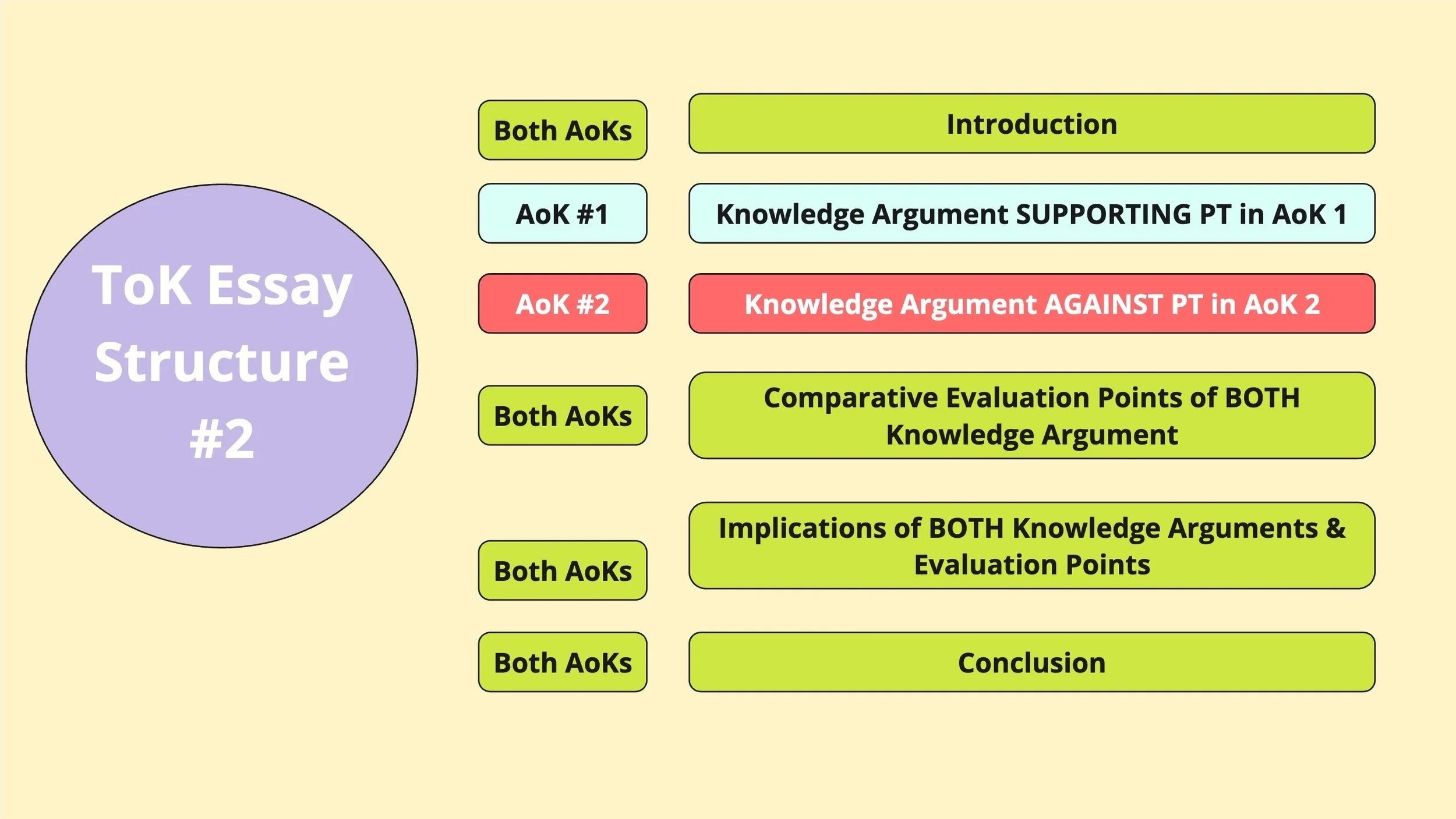
IB TOK Essay Structure Guide

Master the IB TOK Essay structure with our complete guide. Get step-by-step outlines for your introduction, AOK paragraphs (claims/counterclaims), and conclusion to hit top markbands.
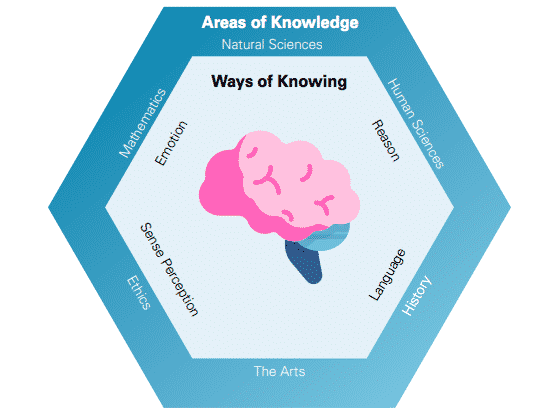
Master IB TOK Guide
TOKIAsUltimate GuideHumanitiesSciencesMathsArts...

Master IB TOK Guide

Master IB Theory of Knowledge (TOK) with our complete guide. Learn about the curriculum, areas of knowledge, and ace your TOK exhibition and essay with structure tips and examples.

How to Get a Top Grade in IB ToK
TOKHumanitiesSciencesMathsArtsStudentsDP1...

How to Get a Top Grade in IB ToK

Learn how to get a top grade in IB ToK with expert tips covering Shared/Personal Knowledge, Ways of Knowing, and Areas of Knowledge. Achieve those crucial core points!

How to Structure Your IB TOK Essay Step-by-Step
TOKUltimate GuideStudy SkillsStudentsDP1DP2Students

How to Structure Your IB TOK Essay Step-by-Step

Learn how to structure your IB TOK Essay step-by-step with this expert guide. Understand how examiners think and increase your TOK essay grading score with clear format tips.
20 IB TOK Presentation Ideas with Examples
TOKIAsStudentsDP1DP2HumanitiesSciences...

20 IB TOK Presentation Ideas with Examples

Struggling with your IB TOK Presentation? Discover 20 successful TOK Presentation Ideas with examples and expert tips to ace your internal assessment.

TOK Essay: A Complete Guide to Acing the IB TOK Paper
TOKEECASStudentsDP1DP2Students...

TOK Essay: A Complete Guide to Acing the IB TOK Paper

Master the IB TOK Essay with this complete expert guide. Learn how to structure your paper, understand grading criteria, and use critical thinking skills to achieve your diploma.


Professional Support for the Final Push

For over 21 years, we at Lanterna have guided over 15,000 students to success in the IB. We have 500+ expert tutors that can support you in any subject.
 

GRADUATES

Scored 40+ in the IB and 7s in the subjects they teach
Best for: skill-building & relatable mentorship
 

TEACHERS

Certified educators with 10+ years’ IB experience
Best for: curriculum clarity & confidence building
 

EXAMINERS

Current or former IB examiners & senior markers
Best for: exam preparation & top-band results


BOOK A FREE CONSULTATION TODAY

Our student success experts give you personalised advice on how to best succeed in your journey.
100% Free · No obligation

Stockholm based, supporting students worldwide. We are IB experts committed to achieving your academic goals.

ABOUT US

Get In Touch

Sibyllegatan 47, Stockholm Sweden, 114 42

Contact us

ALL RIGHTS RESERVED. COPYRIGHT 2025. LANTERNA EDUCATION LTD, NOT AFFILIATED WITH THE IBO