How to Take the Best IB Notes: SCOR E Steps
Learn how to take the best IB notes using the expert SCOR E steps: Select, Condense, Organise, Revisit, Engrain. Essential IB revision tips for success.
You want IB points fast – that means you need to take good notes. Here’s how.
Why Should I Care About Notes?
- There’s tons to remember in the IB.
- Understanding DOES NOT EQUAL remembering. If you remembered everything you ever learned then you’d be a super-genius. Normal people need notes to help us remember stuff.
- You spend ages in school taking notes – so they may as well be useful!

Step 1 – Select
Lots of people just write down everything the teacher says – THEY’RE DOING IT WRONG.
The Secret: making good notes is about choosing what’s important (and what’s not).
‘’But how do I know what’s important?’’
The Rules:
- Just before you start writing notes, think to yourself: am I going to use this in the exam/my work?
- Cut out the details: get the main ideas down. Azerbaijan won a big battle? No-one cares what the commander’s cat was called. We need the name of the battle, the date, and how they won! You get the point.
- Don’t record the lesson. It’s pointless because you won’t listen to it later. With notes you can easily see all the contents, you can revise in five minutes, and you cut out all the useless information. Can’t do that with an mp3, can you?!
Extra Tip: Don’t worry about missing a point. The IB is a two-year course, one detail won’t make much difference. We promise you.
Step 2 – Condense
Make your notes really efficient!
Think about it! You’ve got to use these notes before the exam.
You don’t have time to mess around with useless extra information, so making dense notes is a good idea.
OK fine, so how do I make my notes dense?
- Less is More
- Long sentences bad, short phrases good.
- Use reminder words.
- Use symbols and shortenings. For example, you might write ‘&’ instead of ‘and’.
- Put stuff in your own words. Remember the following should be copied exactly though:
- Formulas
- Definitions
- Specific facts
- Use indentations to show topics and subtopics.
Like this. This point is obviously related to the one above.
- Don’t cramp your notes! You want to be able to read them later.

Step 3 – Organise
A big pile of paper is not useful for studying.
- Keep notes in order and in one place. What do your clever friends do? They use a folder.
- Date your notes. This is so useful for putting them in order.
- Number the pages. This is also so useful for putting them in order.
Step 4 – Revisit
Come back to the work and make sure you understand it.
- When you get home from school, go through your notes and make sure you understood what you wrote.
- Add in anything you need to make your notes clearer or easier to understand.
- The next day, make a summary of your notes. So you can read the short version.

Step 5 – Engrain
Commit your notes to memory!
- Read through your summaries over and over again.
- Read them out loud! It will help you remember.
- Try to explain your notes to someone else, this helps you remember them as well.

We’re the Lanterna Team — a group of 600+ IB expert tutors, ranging from 45/45 IB graduates to IB teachers with 30+ years of teaching and examiner experience.
For over 20 years, we’ve supported tens of thousands IB students worldwide with one clear focus: making high achievement feel more doable. Our team of experienced tutors have come together to combine their deep curriculum knowledge with practical strategies that are proven to work.
Whether you’re building strong foundations in DP1, pushing for a final stretch in DP2, or looking for clarity on what to prioritise, we’re here to help you study smarter, stay confident, and get results.
Why Lanterna?
The IB Diploma covers a vast amount of content, and understanding alone isn't enough for retention. Effective notes act as a memory aid, helping you recall complex information, prepare for exams, and ensure the time you spend in class translates into useful revision material.
Good IB note-taking involves five key steps: Select (choosing what's important for exams), Condense (making notes efficient with short phrases, symbols, and your own words), Organise (keeping notes tidy and dated), Revisit (reviewing and clarifying notes soon after class), and Engrain (committing them to memory through repetition and explanation).
To condense your notes, focus on main ideas rather than recording everything. Use short phrases, reminder words, symbols, and abbreviations. Put information into your own words, except for formulas, definitions, and specific facts. Also, use indentations to show relationships between topics and avoid cramping your notes so they remain readable.
Organisation is key for revision. Keep all your notes for a subject in one place, ideally a folder. Always date your notes and number the pages. This systematic approach allows you to quickly find specific topics, track your progress, and easily put notes in order when preparing for exams.
You should revisit your notes soon after class to clarify any points and add detail. The next day, create a summary. For engraining, read through your summaries repeatedly, read them aloud, and try explaining them to someone else. Consistent engagement helps commit the information to long-term memory.
Absolutely. Our expert IB tutors and Student Success Experts can guide you on effective study strategies tailored to your learning style and specific IB subjects. We can help you refine your note-taking techniques, improve time management, and build a comprehensive revision plan to maximise your academic potential.
Lanterna's tutors are all high-achieving IB graduates (many scored 40+), experienced IB teachers (10+ years), or even IB examiners. They provide personalised 1-on-1 support, helping students understand complex concepts, master exam techniques, and develop crucial skills like effective note-taking, essay writing, and IA/EE guidance across all IB subjects at both SL and HL.
The Lanterna free IB consultation is a no-pressure, 20-30 minute chat with one of our expert IB Student Success Experts. It's designed to give you clarity on your IB journey, whether you're a student or a parent. You can ask any questions, clear up doubts, and walk away with a personalised plan for what to focus on next, without any obligation to book tutoring.
Yes, it is absolutely free, with no catch and no obligation to purchase tutoring. We offer this as a valuable resource to help IB students and parents navigate the programme. Our goal is to provide immediate, actionable advice and a clear plan, backed by our team's extensive experience supporting thousands of IB students.
Our Student Success Experts are highly knowledgeable individuals with deep experience in the IB Diploma Programme. They act as your first point of contact, offering guidance on subject choices, study strategies, university applications, and how to overcome common IB challenges. They can help you identify your priorities, understand where you might be struggling, and outline a path forward, including how Lanterna's tutoring could potentially support you.
You'll gain clarity on your current situation, a personalised plan outlining key priorities, and actionable next steps to improve your IB performance or reduce stress. You'll also have the opportunity to ask any questions you have about the IB, study techniques, or how Lanterna's support works, leaving with increased confidence and a clear direction.
More free resources
.png)
Ultimate IB Note-Taking Guide
Master IB note-taking with the ultimate guide. Discover top methods (Cornell, mind maps) and review essential apps (Notion, OneNote) to boost revision and study efficiency.
.png)
IB Organization System Guide
Master IB organization and conquer overwhelm! Get expert tips to manage EE & IA deadlines, prioritize tasks, and build a balanced study schedule without burnout.

How to Get Organized for the IB Diploma
Master the demanding IB environment. Get essential tips and strategies on how to stay organized, manage your time, and set yourself up for success in the Diploma Programme.
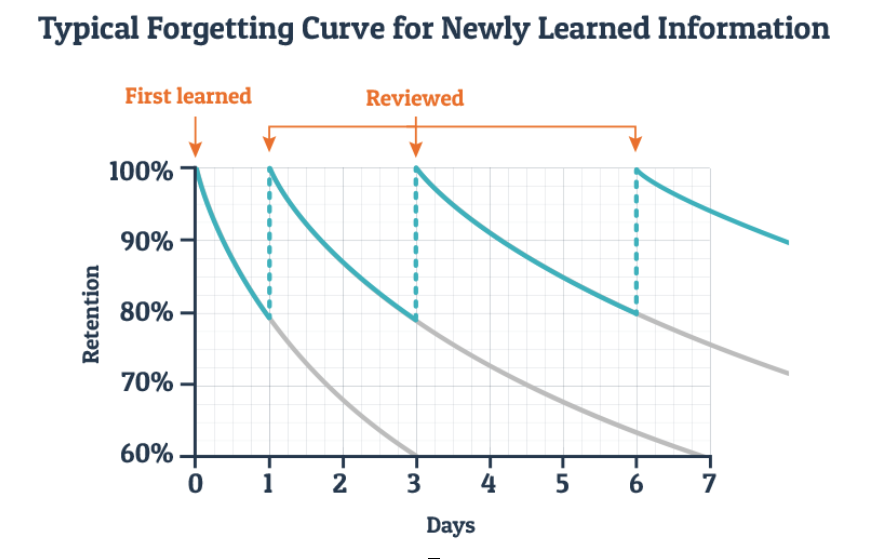
How to Optimise Your Note-Taking & Revision Process for the IB
Learn how to optimize your IB note-taking process with expert revision tips, transforming messy notes into life-saver resources for long-term retention and exam success.
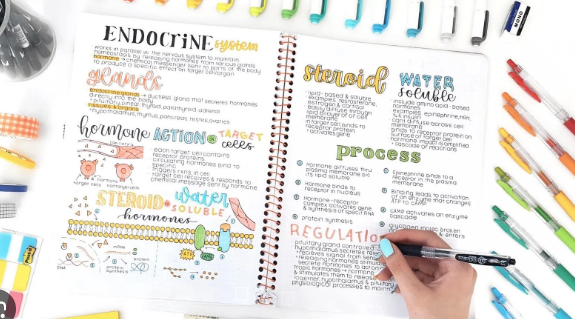
How to Take Effective IB Notes
Learn how to take effective IB notes with expert revision tips on content and form. Discover methods like Cornell, visual diagrams, and flashcards for better studying.

How to Take Effective IB Notes: A Step-by-Step Guide
Learn how to take effective IB notes with expert tips on condensing information, sticking to essentials, and using your own words. Ace your IB revision and exams.

How to Create Your IB Revision Plan (Structured vs. Flexible)
Learn how to create your perfect IB revision plan. Choose between structured ('Operation IB') or flexible ('Easy Breezy') approaches and find expert revision tips.

Top 5 IB Study Apps & Websites to Boost Your Learning
Boost your IB study sessions with our top 5 IB study apps and websites recommended by expert tutors. Get better time management, effective revision tips, and control over assignments.

Professional Support for the Final Push
GRADUATES
TEACHERS
EXAMINERS
BOOK A FREE CONSULTATION TODAY
Stockholm based, supporting students worldwide. We are IB experts committed to achieving your academic goals.
ABOUT US