Skip to content
How to Use the IB Syllabus & Rubric to Study Better

How to Use the IB Syllabus & Rubric to Study Better

4 min read | Lanterna Team | January 27, 2026

Use the IB syllabus & rubric to study better. Learn expert revision tips and understand command terms and grading criteria to maximize your IB Diploma marks.

We’re not going to sugarcoat it – the IB is a difficult diploma. Whether you went into the IB with straight A’s or if you were consistently struggling to pass, the IB is sure to prove a challenge. However, at Lanterna we’ve noticed that the majority of students make the IB even harder for themselves by not recognizing the tools the IB provides to make the diploma easier! There are tons of these, but two that we will focus on in this blog is the syllabus and rubric. How can we use these documents to make the IB easier?

#1: Using the Syllabus as a Study Guide

If you haven’t seen one before, the syllabus (or IB Guide) is an official document the IB publishes for each subject, made available to you by your teacher. The syllabus outlines a host of things, but most notably the exact content of the course. The syllabus goes through, bullet point by bullet point, exactly what students are expected to know by their final exams. If it’s not on the syllabus, you don’t need to know it!

Why is this useful?

Most students spend the first hours of their revision simply creating their study guide. Many spend hours deciding what should be included and what shouldn’t. Why do that when the syllabus has already created it for you?

We recommend that you:

  1. Navigate to the section of the syllabus that you have an assessment on
  2. Make each bullet point in this section a heading in your study guide
  3. Under each heading, jot down any notes you might have from class or that you find in the textbook.

In this way you’re guaranteed to not miss out on any information the IB requires you to know, and you’ll see very quickly if there are specific sections that you’re missing information on.

#2: Understanding Command Terms

You might never have heard of command terms before. Don’t worry! This is a great IB hack that can help you speed up your studying massively. Most IB subjects have a list of IB Command Terms at the end of the syllabus, along with an indication of how ‘big’ the command term is. See this example from the IB Economics syllabus:

AO1AO2AO3AO4
DefineAnalyseCompare (and/or Contrast)Calculate
DescribeApplyDiscussConstruct
ListCommentEvaluateDerive
OutlineDistinguishExamineDetermine
StateExplainJustifyDraw
SuggestTo What ExtentIdentify…

Each bullet point in the syllabus will start with one of these words. If the bullet point starts with an AO1 term, it means students just need ‘knowledge and understanding, an AO2 term implies ‘application and analysis’, AO3 is ‘synthesis and evaluation, and AO4 is a variety. Essentially, the higher the number, the more we need to know about that topic. For example, considering two bullet points from the syllabus:

  • Examine the role of PED for firms in making decisions regarding price changes and their effect on total revenue.
  • Explain why the PED for many primary commodities is relatively low and the PED for manufactured products is relatively high.

Bullet point 1 will require more knowledge, and is more likely to be asked about in a long-answer question, as it begins with an AO3 term. Bullet point 2 is still important to know, but it will likely show up in a slightly smaller question and you will not be asked to ‘evaluate or synthesize’ about that topic.

Why is this useful?

Understanding command terms allows you to understand how much depth you need to know about all the topics you’ve been taught! If you’re spending many hours trying to deeply understand a topic that the IB only expects you to know how to define, you may be wasting your time. Take the time to learn about the command terms for each of your subjects, finding out how they manifest on each of your papers, so that you can better know how much time to spend on each topic!

#3: Valuing the Rubric

As much as we love the IB Diploma at Lanterna due to the massive benefits it will give you post-graduation, we recognize that there are some inherent flaws with it. As the IB is a standardized diploma taken by hundreds of thousands of students every year, there must be an objective way for examiners to determine what grade an assessment deserves. That’s where the rubric comes in!

Each assessment you take will have a set rubric outlining exactly what students must do to achieve marks. Many students, despite advice from teachers, think that checking the rubric is a recommendation more than a requirement, and that’s where their mistake lies. Thousands of students every year write phenomenal extended essays or internal assessments, yet end up with horrible grades. Why? Though their writing may have been exquisite, their story-telling may have been immaculate, and their research divine, they may have missed out on some of the crucial aspects that the IB grades you on.

For example, for the extended essay, students are graded upon 5 criteria:

  1. Focus and Method
  2. Knowledge and Understanding
  3. Critical Thinking
  4. Presentation
  5. Engagement

Why is this useful?

A student might make a scientific discovery, a mathematical breakthrough, or a literary analysis the likes of which have never been seen before, but unless students show evidence of each 5 of these criteria, there is no way the student will get near the highest marks for their essay.

The IB is often not a measure of intelligence, it is a measure of how well you can follow instructions.

Internalize this, and many aspects of the IB will quickly feel much more manageable.

Lanterna Team
Lanterna Team
We’re the Lanterna Team — a group of 600+ IB expert tutors, ranging from 45/45 IB graduates to IB teachers with 30+ years of teaching and examiner experience.

For over 20 years, we’ve supported tens of thousands IB students worldwide with one clear focus: making high achievement feel more doable. Our team of experienced tutors have come together to combine their deep curriculum knowledge with practical strategies that are proven to work.

Whether you’re building strong foundations in DP1, pushing for a final stretch in DP2, or looking for clarity on what to prioritise, we’re here to help you study smarter, stay confident, and get results.

Why Lanterna?

Lanterna Education is the largest IB-focused education provider worldwide, supporting students in over 250 partner schools across 80+ countries. Based in Stockholm, we have over 20 years of experience helping IB students achieve the best possible score in the IB.
15,000+
IB students tutored
1.5+
Avg. IB Subject grade Increase
36/45
Median final IB score for students
4.7
Trustpilot score

The IB syllabus (or IB Guide) is an official document published for each subject that outlines the exact content you're expected to know for your final exams. It's an invaluable tool because if something isn't on the syllabus, you don't need to know it, helping you focus your revision effectively and avoid wasting time on irrelevant topics.

You can use the syllabus as a ready-made outline for your study guide. Take each bullet point from the relevant section of the syllabus and turn it into a heading. Then, fill in notes from your classes and textbooks under each heading. This ensures comprehensive coverage of all required content and quickly highlights any knowledge gaps you might have.

IB command terms are specific verbs (like "Define," "Explain," "Evaluate") used in exam questions and assessment criteria. They indicate the precise depth of understanding and type of response required. Understanding them helps you tailor your answers to exactly what the examiner is looking for, preventing you from over-explaining simple concepts or under-explaining complex ones.

By knowing the command terms, you can prioritize your studying. If a topic typically appears with an "AO1" (knowledge and understanding) command term like "Define," you know you don't need to spend hours on deep analysis. Conversely, "AO3" (synthesis and evaluation) terms like "Examine" or "Evaluate" signal that a topic requires a much deeper, critical understanding, guiding your focus and time management.

The rubric provides the objective criteria examiners use to grade your work. Many students produce excellent content but miss crucial marks because they haven't addressed all aspects of the rubric. It's not just about what you write, but how you demonstrate the required skills and criteria (e.g., focus, critical thinking, presentation). The IB often measures how well you follow instructions, not just raw intelligence.

Absolutely. Our expert IB tutors, many of whom scored 40+ in the IB or have examiner experience, can guide you through your subject-specific syllabi, command terms, and rubrics. They'll help you develop a tailored study plan and refine your approach to assessments to maximise your grades, ensuring you understand exactly what's expected.

The Lanterna IB consultation is a free, no-pressure 20-30 minute session with one of our expert IB Student Success Experts. It's designed to give you clarity on your IB situation, whether you're a student or a parent, and help you understand how to best navigate the program and make it easier for yourself.

Yes, it is genuinely 100% free with no obligation to book tutoring. The "catch" is simply that we believe in providing value upfront. We want to help you get a clear, personalised plan and priorities for your IB journey, backed by our team's experience, regardless of whether you choose to pursue tutoring with us.

Our Student Success Experts are highly experienced professionals with deep knowledge of the IB Diploma Programme. They've guided thousands of students and parents through the IB, helping them understand challenges, set goals, and develop effective strategies for success, including how to leverage official IB documents like the syllabus and rubrics.

You'll walk away with a simple, personalised plan for what to focus on now and what to stop wasting time on. You'll gain clarity on your specific situation, clear up any doubts about the IB, and receive expert advice on how to improve your IB performance and make the most of the tools available to you, all without any commitment.

Our tutors are highly experienced in breaking down IB rubrics for all subjects and assessments, including IAs and EEs. They teach students how to deconstruct the criteria, apply them to their work, and ensure every aspect is addressed to achieve the highest possible marks. They provide personalised feedback to help students align their work perfectly with examiner expectations, always within academic honesty guidelines.


More free resources

Mastering IB Command Terms: Your Ultimate Guide
Ultimate GuideExamsStudy SkillsAbout IBDP1DP2Students

Mastering IB Command Terms: Your Ultimate Guide

Master your IB exams by understanding key command terms. Our expert guide provides a complete list of definitions for terms like 'analyze', 'discuss', and 'evaluate'.

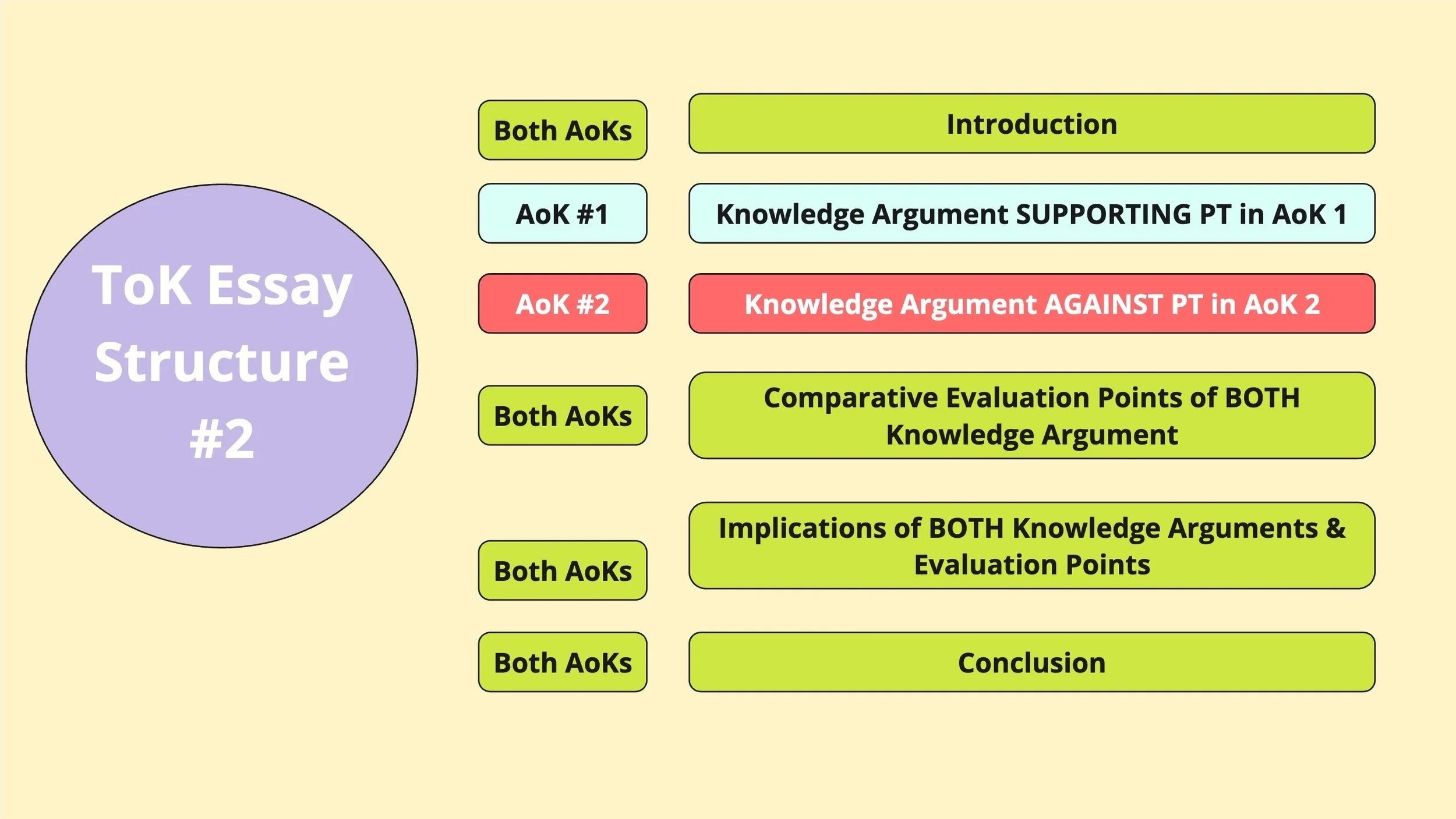
IB TOK Essay Structure Guide
TOKDP1DP2SciencesArtsDP1DP2...

IB TOK Essay Structure Guide

Master the IB TOK Essay structure with our complete guide. Get step-by-step outlines for your introduction, AOK paragraphs (claims/counterclaims), and conclusion to hit top markbands.

The Ultimate Guide to Nailing Your IB Internal Assessment (IA)
DP1DP2StudentsParentsEnglishHumanitiesSciences...

The Ultimate Guide to Nailing Your IB Internal Assessment (IA)

A complete guide to the IB Internal Assessment. Learn how to choose a topic, manage your timeline, and structure your IA for a top grade. Includes tips for parents.

IB Extended Essay (EE) Guide
EEUltimate GuideTOKUniversityStudy SkillsAbout IBDP2...

IB Extended Essay (EE) Guide

What is the Extended Essay (EE)? Get a complete overview of this mandatory 4,000-word research paper in the IB Diploma Programme core.

How to Structure Your IB TOK Essay Step-by-Step
TOKUltimate GuideStudy SkillsStudentsDP1DP2Students

How to Structure Your IB TOK Essay Step-by-Step

Learn how to structure your IB TOK Essay step-by-step with this expert guide. Understand how examiners think and increase your TOK essay grading score with clear format tips.

How to Plan Your IB IA: A 5-Point Checklist
DP1DP2StudentsIAsStudy SkillsAbout IBDP1...

How to Plan Your IB IA: A 5-Point Checklist

Struggling to start your IB IA? Learn how to plan your Internal Assessment effectively with our expert 5-point checklist for guaranteed success and better grading.

How to Use IB Past Papers and Mark Schemes
DP1DP2SciencesMathsExamsStudy SkillsDP1...

How to Use IB Past Papers and Mark Schemes

Master the IB exams: Learn how to use IB past papers and mark schemes effectively throughout your revision. Understand how examiners think and analyze your mistakes with the MARCKS method.

Decoding the IB Report Card: A Guide for Students & Parents
StudentsParentsIAsEETOKCASExams...

Decoding the IB Report Card: A Guide for Students & Parents

IB Report Card Guide for Parents: Decode "Predicted Grade," "ATL Skills," and the 1-7 scale. Learn why a '5' is a strong IB score and understand your child's progress.


Professional Support for the Final Push

For over 21 years, we at Lanterna have guided over 15,000 students to success in the IB. We have 500+ expert tutors that can support you in any subject.
 

GRADUATES

Scored 40+ in the IB and 7s in the subjects they teach
Best for: skill-building & relatable mentorship
 

TEACHERS

Certified educators with 10+ years’ IB experience
Best for: curriculum clarity & confidence building
 

EXAMINERS

Current or former IB examiners & senior markers
Best for: exam preparation & top-band results


BOOK A FREE CONSULTATION TODAY

Our student success experts give you personalised advice on how to best succeed in your journey.
100% Free · No obligation

Stockholm based, supporting students worldwide. We are IB experts committed to achieving your academic goals.

ABOUT US

Get In Touch

Sibyllegatan 47, Stockholm Sweden, 114 42

Contact us

ALL RIGHTS RESERVED. COPYRIGHT 2025. LANTERNA EDUCATION LTD, NOT AFFILIATED WITH THE IBO