
Types of Knowledge: IB Shared & Personal Explained
Understand IB Shared & Personal Knowledge. Learn how the two types interact and use this expert advice to improve your essays and presentations in the IB.
Pt. 2 – Types of Knowledge: Shared and Personal
Divide and conquer! One good way to understand something difficult is to break it up. In ToK we are asked to look at knowledge and try to understand how knowing works. One way the IB suggest we think about this is by breaking up knowledge into categories called ‘shared’ and ‘personal’.
You can tell the two types apart by how they are expressed. When someone is using shared knowledge they say ‘we know because’. When they are using personal knowledge they use the phrase ‘I know because’. There is a bit more to it than this though!
Shared knowledge
The best way to tell if knowledge is shared is to look at whether other people can check and correct it.
Let’s take one of your IB subjects as an example. Ask your physics teacher what the fastest thing in the universe is and they will likely tell you that light moves faster than anything else. It moves at an impressive 1080 million kilometres every hour through a vacuum! But suppose a study showed something moving faster than light. What would happen?
Other scientists would try to replicate the study, and check it themselves. If they found that indeed, something could move faster than light, what would happen? Our scientific knowledge would have to be corrected. This example shows that science as an academic subject is a matter of shared knowledge. You can use this to find out whether knowledge is shared or personal – shared knowledge can always be checked and corrected by the community.
Personal knowledge
Personal knowledge is different. Feelings are an example of personal knowledge. Emotional statements can’t be right or wrong, like scientific statements can. Personal knowledge can’t be checked for accuracy or corrected in the same way shared knowledge can.
Skills and abilities also count as personal knowledge. Imagine trying to describe to someone what it is like to ride a bike. You peddle, of course, and the wind rushes past you as you go fast. But does this really describe what it is like to ride a bike?
Knowing such things is personal knowledge – you have to experience it yourself to know it at all. Personal knowledge can be really hard to communicate. The same is true for other skills, like sports, cooking and so on.
The interaction
It is true that knowledge can be understood by breaking it into ‘shared’ and ‘personal’. However, the two types of categories do interact. Shared knowledge can have a strong impact on how we view the world. Somebody who studies economics might view their weekly shop quite differently because of their academic knowledge. Their personal knowledge had been affected by the shared knowledge they had picked up on in class. We can view this relationship as an intersection, where the two types of knowledge meet.
Hopefully you now feel comfortable with the ideas of personal and shared knowledge. You should feel satisfied that you can identify which kinds of knowledge are being described. Make sure you make use of this in essays and presentations to show that you really know your stuff!

We’re the Lanterna Team — a group of 600+ IB expert tutors, ranging from 45/45 IB graduates to IB teachers with 30+ years of teaching and examiner experience.
For over 20 years, we’ve supported tens of thousands IB students worldwide with one clear focus: making high achievement feel more doable. Our team of experienced tutors have come together to combine their deep curriculum knowledge with practical strategies that are proven to work.
Whether you’re building strong foundations in DP1, pushing for a final stretch in DP2, or looking for clarity on what to prioritise, we’re here to help you study smarter, stay confident, and get results.
Why Lanterna?
Shared knowledge is collective, verifiable, and can be checked and corrected by a community (e.g., scientific theories, historical facts). Personal knowledge is individual, subjective, and often based on direct experience, feelings, or skills, making it harder to verify or communicate (e.g., riding a bike, personal emotions).
Distinguishing between shared and personal knowledge is fundamental to TOK. It helps you analyze knowledge claims, explore different Ways of Knowing and Areas of Knowledge, and demonstrate a nuanced understanding of how knowledge is constructed and acquired. It's a key concept for achieving higher marks in your TOK assessments.
Absolutely. While distinct, they often interact. For example, shared knowledge (like economic theories or historical narratives) can profoundly shape an individual's personal understanding and perception of the world. Exploring this relationship is a rich area for TOK inquiry and can lead to deeper insights.
Our expert TOK tutors, many of whom are experienced IB examiners or 40+ point graduates, provide personalized guidance. They'll help you grasp complex concepts, develop strong arguments, and apply them effectively to your TOK essay and presentation, ensuring you meet the IB's specific criteria and develop critical thinking skills.
Lanterna offers comprehensive support for both the TOK Essay and Presentation. Our tutors guide you through topic selection, developing a strong knowledge question, structuring your arguments, refining your examples, and ensuring your work meets the IB's assessment criteria for clarity, coherence, and critical engagement, all while upholding academic honesty.
The Lanterna free IB consultation is a no-pressure, 20-30 minute chat with one of our expert IB Student Success Experts. It's designed to help you clarify your current situation, understand your challenges (like TOK), and walk away with a personalized plan and clear next steps, all without any obligation to book tutoring.
Yes, it's genuinely 100% free with no hidden costs or obligation to purchase tutoring. We believe in providing upfront value to help IB students and parents gain clarity and a solid plan. While we can discuss how tutoring might fit in, there's absolutely no pressure to commit.
Our Student Success Experts are highly experienced professionals with deep knowledge of the IB Diploma Programme. They act as your personal guide, helping you identify academic strengths and weaknesses, set realistic goals, and strategize for success across all your IB components, including challenging ones like TOK.
The consultation is for anyone involved in the IB Diploma Programme – students, parents, or both together. Whether you're struggling with a specific subject like TOK, feeling overwhelmed, planning for university, or just want to ensure you're on the right track, our experts are there to help you gain clarity and confidence.
More free resources

IB TOK Essay Structure Guide
Master the IB TOK Essay structure with our complete guide. Get step-by-step outlines for your introduction, AOK paragraphs (claims/counterclaims), and conclusion to hit top markbands.
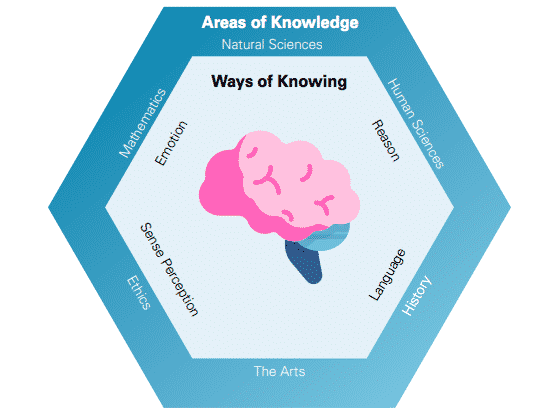
Master IB TOK Guide
Master IB Theory of Knowledge (TOK) with our complete guide. Learn about the curriculum, areas of knowledge, and ace your TOK exhibition and essay with structure tips and examples.
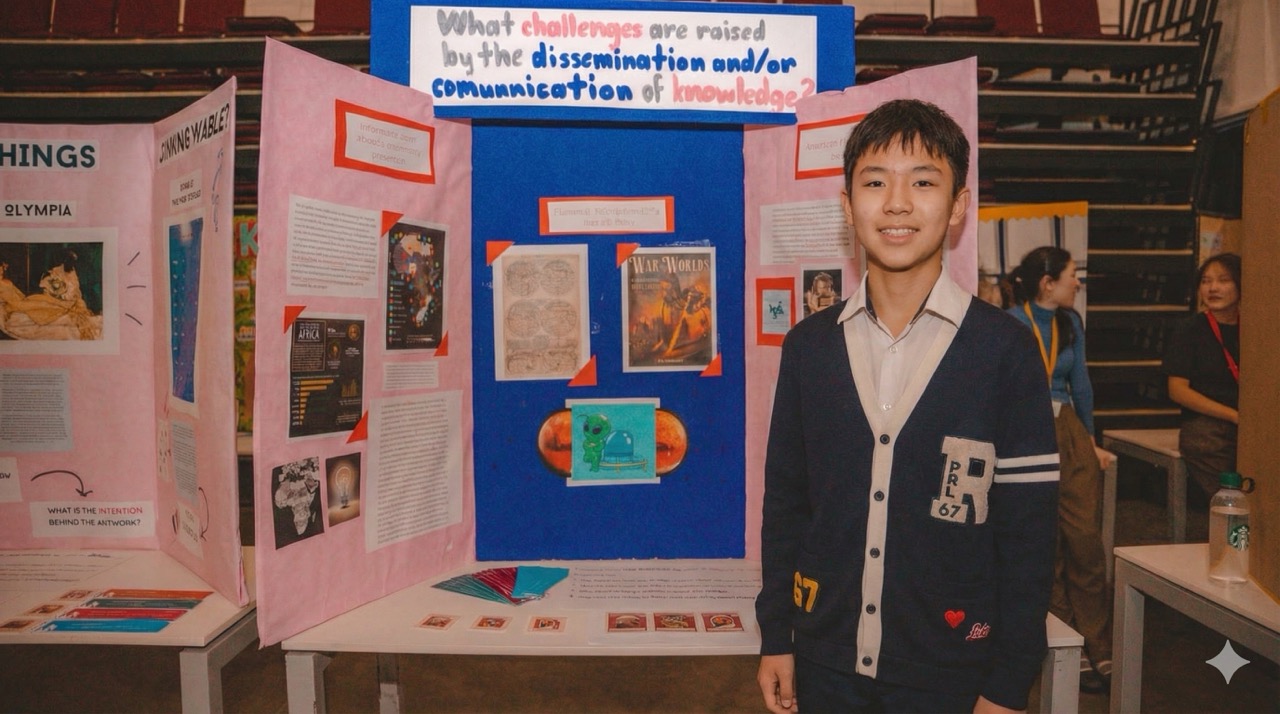
35 TOK Exhibition Object Ideas
Master your TOK Exhibition! Get 35 diverse object ideas (tweet, toy, map projection) and guided questions to effectively link them to your IA prompts and core themes.
TOK Exhibition Guide (DP1)
Master the IB TOK Exhibition (DP1) with this guide. Learn structure, view examples, and get tips on connecting real-world objects to knowledge questions for top marks.

How to Structure Your IB TOK Essay Step-by-Step
Learn how to structure your IB TOK Essay step-by-step with this expert guide. Understand how examiners think and increase your TOK essay grading score with clear format tips.
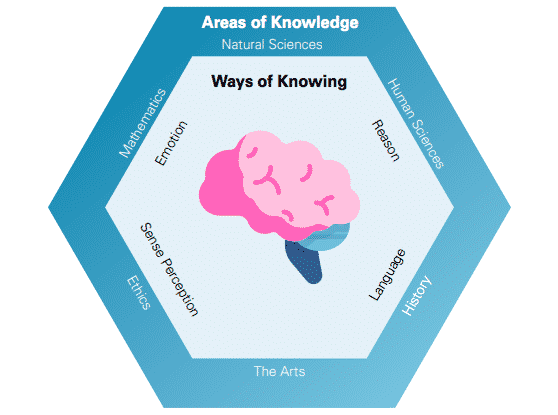
Complete Guide to IB Theory of Knowledge Frameworks
Master IB Theory of Knowledge Frameworks. Learn how to apply the structure of the Areas of Knowledge (AoKs) in your essays and presentations for top results.

Complete Guide to IB TOK Areas of Knowledge
Learn how to master the IB TOK Areas of Knowledge. Expert guide to understanding the AoK framework, features, and key debates for your TOK essay.

20 IB TOK Presentation Ideas with Examples
Struggling with your IB TOK Presentation? Discover 20 successful TOK Presentation Ideas with examples and expert tips to ace your internal assessment.

Professional Support for the Final Push
GRADUATES
TEACHERS
EXAMINERS
BOOK A FREE CONSULTATION TODAY
Stockholm based, supporting students worldwide. We are IB experts committed to achieving your academic goals.
ABOUT US