Skip to content
Master IB Revision Guide

Master IB Revision Guide

6 min read | Huaijin (Rose) Xu | January 1, 2026

Master IB revision with the "Less Is More" strategy. Learn Active Recall and Spaced Repetition techniques to study efficiently and score higher.

The "Less Is More" IB Revision Guide

As former IB grads who scored top marks, we know the pressure you're under. You're probably drowning in textbooks and notes, thinking that the more hours you put in, the better you'll do. But what if we told you that's not the smartest way to study? It's time to ditch the burnout-inducing, all-night study sessions and embrace a scientifically-backed strategy that gets better results in less time. Welcome to the "Less Is More" approach.

This guide will teach you two powerful techniques—Active Recall and Spaced Repetition. Forget endless re-reading. It's time to work smarter, not harder, to lock in knowledge and walk into your exams with confidence.

The Problem: The "Illusion of Knowledge"

Most students fall into the trap of passive revision. It feels productive, but it's one of the least effective ways to learn. Let's break down the difference.

❌ Passive Revision (The Inefficient Way)

This is when you're just a consumer of information. It creates a false sense of familiarity but doesn't build strong memories.

  • Re-reading textbooks or notes
  • Highlighting key passages
  • Watching videos without taking notes
  • Simply looking over old work

✅ Active Revision (The Smart Way)

This forces your brain to work, pulling information out. It's harder, but it's what actually builds strong, lasting neural pathways.

  • Answering practice questions from memory
  • Explaining a concept to someone else
  • Creating mind maps without looking at notes
  • Using flashcards to test yourself
The Lanterna Tip: If your study session doesn't feel like a mental workout, you're probably being too passive. Real learning happens when you force your brain to retrieve information, not just review it.

Part 1: Active Recall - Unlocking Your Brain's Potential

Active Recall (or retrieval practice) is the act of deliberately trying to remember information without looking at your notes. Every time you successfully pull a fact, formula, or concept from your memory, you strengthen that memory. It's like flexing a muscle—the more you do it, the stronger it gets.

Top Active Recall Techniques for IB Students

1. The "Blurting" Method

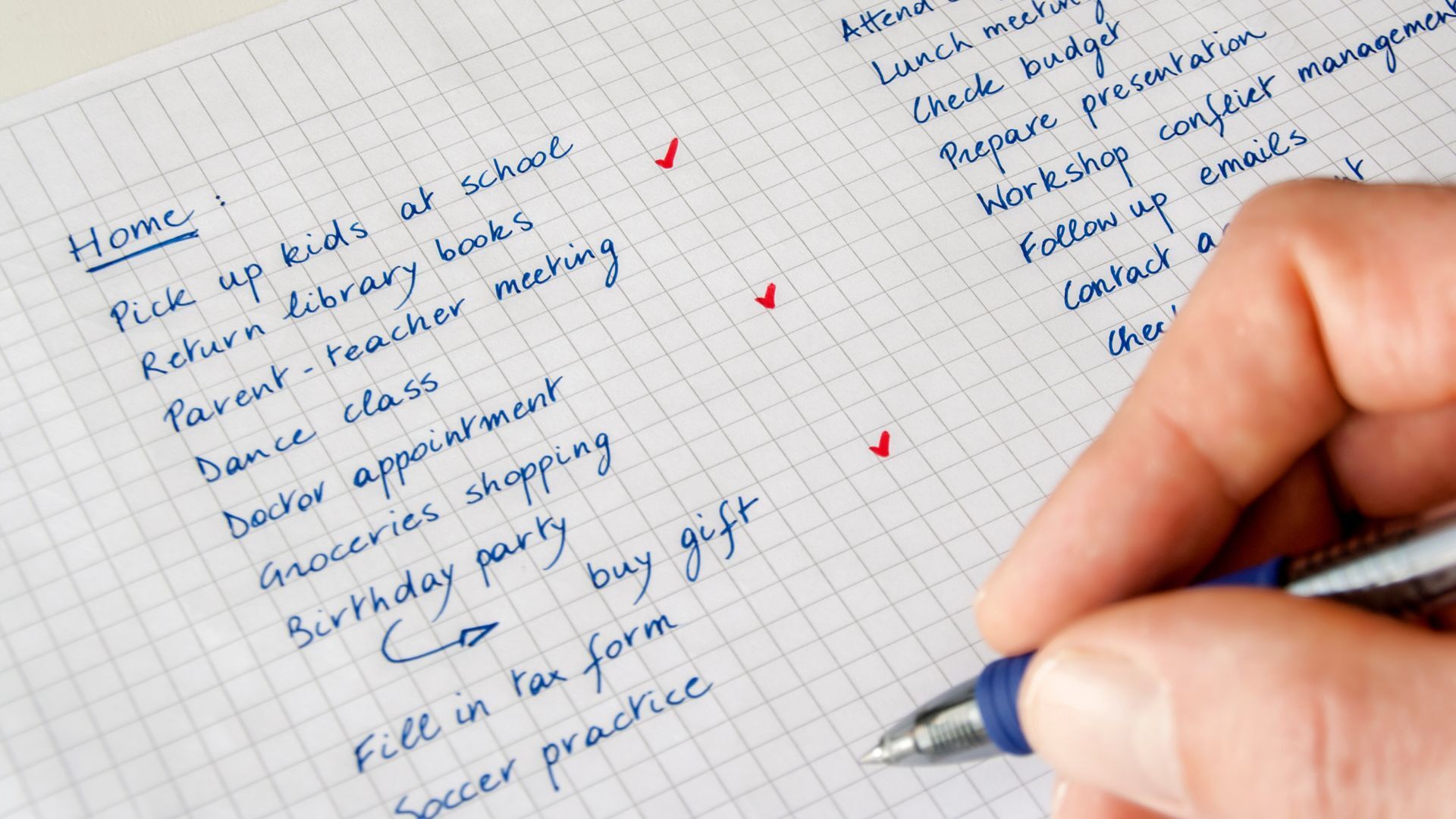
After studying a topic (e.g., Photosynthesis in Biology), close your book, grab a blank piece of paper, and write down absolutely everything you can remember. Don't worry about structure. Once you're done, compare your "blurt" sheet to your notes and fill in the gaps with a different coloured pen. This instantly shows you what you know and what you don't.

2. The Feynman Technique

Pick a concept and try to explain it in the simplest terms possible, as if you were teaching it to a 12-year-old. You can do this out loud, to a parent, or by writing it down. If you get stuck or use complicated jargon, you've just found a gap in your understanding. Go back to your notes, clarify, and try again.

3. Past Papers & Question Banks

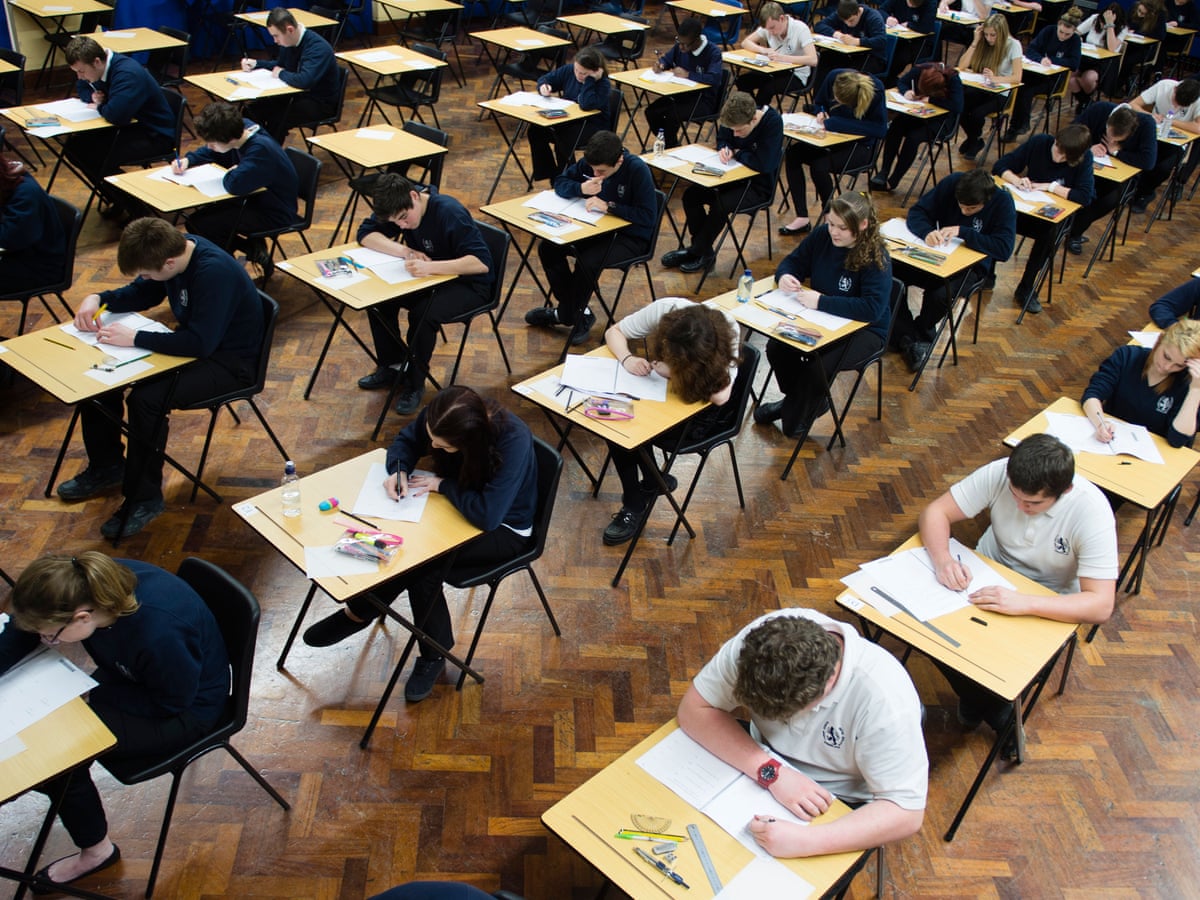
This is the ultimate form of active recall. Don't just read the mark scheme—do past papers under timed, exam-like conditions. This not only tests your knowledge but also your ability to apply it under pressure, which is exactly what the IB exams demand. Every question is a chance to practice retrieval.

4. Mind Maps from Memory

Instead of copying a mind map from a textbook, create one from scratch. Start with the central topic (e.g., Causes of World War I) and branch out with everything you can recall. This forces you to retrieve information and organize it logically, building a deeper understanding of how concepts connect.

Part 2: Spaced Repetition - Beating the Forgetting Curve

Have you ever crammed for a test, felt great about it, and then forgotten everything a week later? That's the "forgetting curve" in action. Spaced Repetition is the solution. It's a method where you review information at increasing intervals over time.

Think of it this way: reviewing a topic right after you learn it is easy. But reviewing it three days later, just as you're about to forget it, forces your brain to work harder to retrieve it. This effort signals to your brain that the information is important, moving it from your short-term to your long-term memory.

How to Implement Spaced Repetition

  • Use an App (Recommended): Tools like Anki or Quizlet use algorithms to automatically schedule flashcards for you. You rate how difficult a card was to remember, and the app shows it to you again just before you're likely to forget it. This is the most efficient way to do it.
  • Manual System: If you prefer physical flashcards, you can use the Leitner System (using multiple boxes) or a simple calendar schedule. For example, review a new topic after 1 day, then 3 days, then 7 days, then 2 weeks, and so on.
The Ultimate Combo: Create flashcards for your subjects (Active Recall) and review them using a Spaced Repetition app like Anki. This combines both powerhouse techniques into one seamless, efficient revision system.

Part 3: Putting It All Together - Your IB Revision Schedule

So, how does this look in practice? Avoid vague goals like "Study Chemistry". Instead, be specific about the topic and the technique. Here’s a sample framework for a revision week.

Day Morning Session (90 mins) Afternoon Session (90 mins) Evening Session (45 mins)
Monday Math HL: Active Recall on Topic 3 (Trigonometry) using past paper questions. History SL: "Blurting" method for The Cold War. Identify and review gaps. Spaced Repetition: Review Anki decks for all subjects.
Tuesday Biology HL: Use Feynman Technique to explain Cellular Respiration to a parent. English A: Write a practice Paper 1 analysis under timed conditions. Spaced Repetition: Review Anki decks for all subjects.
Wednesday Math HL: Review Monday's mistakes. Do new practice questions on weak areas. History SL: Create a mind map from memory for The Cold War. Spaced Repetition: Review Anki decks for all subjects.
Thursday Biology HL: Timed practice questions for Topic 2 (Molecular Biology). TOK: Brainstorm and outline an essay for a prescribed title. Spaced Repetition: Review Anki decks for all subjects.
Friday Catch-up session. Focus on the weakest topic of the week. Review all work from the week. Consolidate notes on difficult concepts. Relax! A rested brain learns better.

Part 4: A Parent’s Role in Supporting Smart Revision

Parents, you can play a huge role in helping your child study more effectively without adding to their stress. Here’s how:

  1. Champion the Process, Not Just the Grades: Praise them for using smart techniques like blurting or teaching you a concept. This reinforces good habits, which are more important than any single test score.
  2. Become the Student: Volunteer to be taught. Ask your child to explain a difficult concept to you (the Feynman Technique). This helps them learn and gives you insight into their progress.
  3. Protect Their Well-being: The IB is a marathon. Ensure they are getting 7-8 hours of sleep, eating well, and taking real breaks. A burnt-out student cannot learn effectively, no matter the strategy.
  4. Provide a Distraction-Free Zone: Create an environment that is conducive to focused work. This means a quiet space, away from the TV, and with clear rules about phone use during study blocks.
  5. Know When to Call for Backup: If your child is struggling with a specific subject or finding it hard to implement these strategies, expert help can make all the difference. Our tutors are IB graduates who used these very techniques to succeed and can provide personalized, high-impact support.
Huaijin (Rose) Xu
Huaijin (Rose) Xu
Hi, I’m Huaijin (Rose), an IB graduate with 42 points who works as a part-time IB tutor. I achieved 7s in Chemistry, English B, Math, and Geography, and I’ve been tutoring IB students for over 5 years. I like to use concrete examples to explain abstract concepts and to provide structured support to my students. I also enjoy getting to know my students personally and accompanying them with emotional encouragement throughout their academic journey. Outside of tutoring, I love writing, reading, travelling, and playing guitar.

Why Lanterna?

Lanterna Education is the largest IB-focused education provider worldwide, supporting students in over 250 partner schools across 80+ countries. Based in Stockholm, we have over 20 years of experience helping IB students achieve the best possible score in the IB.
15,000+
IB students tutored
1.5+
Avg. IB Subject grade Increase
36/45
Median final IB score for students
4.7
Trustpilot score

It's about studying smarter, not just harder. It emphasizes quality over quantity, focusing on high-impact strategies like Active Recall and Spaced Repetition to achieve deeper understanding and better long-term retention of IB content, rather than passive re-reading.

Active Recall actively retrieves information from memory, strengthening neural connections and identifying knowledge gaps. Spaced Repetition combats the forgetting curve by reviewing material at optimal intervals, ensuring long-term retention. Together, they make revision highly efficient for the vast IB syllabus.

You can use flashcards, 'blurting' (writing everything you remember after a study session), self-testing with past paper questions, or the Feynman Technique (explaining concepts to someone else). These methods force your brain to work harder, leading to deeper understanding.

Digital tools like Anki and Quizlet are excellent for automating Spaced Repetition schedules. They use algorithms to present material for review just as you're about to forget it, optimizing your long-term memory for all your IB subjects.

The earlier, the better! Integrating Active Recall and Spaced Repetition from the beginning of your DP1 year will build a strong foundation. Even if you're closer to exams, starting now will significantly improve your efficiency and retention.

Parents can provide a conducive study environment, encourage breaks and well-being, and even ask their child to explain concepts (Feynman Technique). Understanding these strategies helps parents foster a supportive atmosphere focused on effective learning processes.

Our expert IB graduate tutors were top scorers themselves using similar strategies. They can show you how to effectively apply Active Recall and Spaced Repetition to your specific subjects, create personalised study materials, identify your weak areas, and build a tailored revision plan to maximise your scores.

Absolutely. Lanterna offers one-on-one tutoring across all IB subjects, both SL and HL. Our tutors are specialists in their fields and can guide you on how to best apply "Less Is More" techniques, whether it's for Maths AA, Biology, History, or any other subject, ensuring you master the content efficiently.

The Lanterna free IB consultation is a 20-30 minute virtual session with one of our Student Success Experts. It's designed to help you clarify your academic goals, identify challenges, and create a clear, actionable plan for your IB journey, all without any obligation.

You'll receive a clear plan outlining your study priorities and next steps, tailored advice on how to tackle your specific IB challenges, and an understanding of how our expert tutors can support you. It’s a chance to gain clarity and confidence for your IB journey, completely free of charge.

Our Student Success Experts are experienced education advisors who deeply understand the IB Diploma Programme. They are here to listen to your needs, offer strategic guidance based on your academic profile, and connect you with the right resources or tutors if you decide to pursue further support.


More free resources

The Ultimate Guide to Acing Your IB Mock Exams
Ultimate GuideMocksExamsStudy SkillsDP1DP2Students

The Ultimate Guide to Acing Your IB Mock Exams

Ace your IB Mock Exams with this free, ultimate guide. Learn expert strategies to prepare effectively, avoid common pitfalls, and maximize your predicted grades.

The Ultimate Guide to Nailing Your IB Internal Assessment (IA)
IAsUltimate GuideStudy SkillsAbout IBDP1DP2Students...

The Ultimate Guide to Nailing Your IB Internal Assessment (IA)

A complete guide to the IB Internal Assessment. Learn how to choose a topic, manage your timeline, and structure your IA for a top grade. Includes tips for parents.

IB Stress Survival Guide
WellnessStudy SkillsExamsDP1DP2Students

IB Stress Survival Guide

Beat IB stress and burnout with expert techniques. This guide covers time management, effective revision, and mindfulness habits to help you stay calm, focused, and ace your exams.

IB vs. A-Levels vs. AP: Ultimate Comparison
Ultimate GuideAbout IBUniversityTOKPre-DPDP1Students...

IB vs. A-Levels vs. AP: Ultimate Comparison

IB vs. A-Levels vs. AP: Compare core differences in curriculum, assessment, and university recognition to choose the right pre-university path for your goals.

Mastering IB Command Terms: Your Ultimate Guide
Ultimate GuideExamsStudy SkillsAbout IBDP1DP2Students

Mastering IB Command Terms: Your Ultimate Guide

Master your IB exams by understanding key command terms. Our expert guide provides a complete list of definitions for terms like 'analyze', 'discuss', and 'evaluate'.

The Ultimate DP2 Comeback Guide
Ultimate GuideStudy SkillsIAsTOKDP2Students

The Ultimate DP2 Comeback Guide

Transform your IB grades in DP2! Get the strategic guide to the best IB revision techniques: active recall, spaced repetition, and past papers to study smarter and improve your scores. Written by 40+ IB Graduates

How to Master IB Revision: Key Skills and Strategies
Study SkillsExamsHolidaysWellnessDP1DP2Students

How to Master IB Revision: Key Skills and Strategies

Master your IB revision: Learn key skills and strategies, from setting goals and creating effective timetables to specialized revision tips for content and concept-heavy subjects.

Last-Minute IB Exam Tips
ExamsStudy SkillsWellnessIAsDP2Students

Last-Minute IB Exam Tips

Master the final days before your IB exams! Get essential last-minute exam tips: what to do and what to avoid (sleep, not cramming new content). from IB 40+ grads.


Professional Support for the Final Push

For over 21 years, we at Lanterna have guided over 15,000 students to success in the IB. We have 500+ expert tutors that can support you in any subject.
 

GRADUATES

Scored 40+ in the IB and 7s in the subjects they teach
Best for: skill-building & relatable mentorship
 

TEACHERS

Certified educators with 10+ years’ IB experience
Best for: curriculum clarity & confidence building
 

EXAMINERS

Current or former IB examiners & senior markers
Best for: exam preparation & top-band results


BOOK A FREE CONSULTATION TODAY

Our student success experts give you personalised advice on how to best succeed in your journey.
100% Free · No obligation

Stockholm based, supporting students worldwide. We are IB experts committed to achieving your academic goals.

ABOUT US

Get In Touch

Sibyllegatan 47, Stockholm Sweden, 114 42

Contact us

ALL RIGHTS RESERVED. COPYRIGHT 2025. LANTERNA EDUCATION LTD, NOT AFFILIATED WITH THE IBO
WhatsApp