Is the IB Hard? The Honest Truth & How to Survive It
Let's be honest, the International Baccalaureate has a reputation. You've probably heard the stories about the workload, the late nights, and the legendary difficulty. So, is it really that hard? The short answer is yes, it's demanding. But the full answer is that it's an incredibly rewarding challenge that is absolutely manageable with the right strategies.
Think of this guide as your personal tutor's playbook. We're going to give you an unbiased look at the challenges and benefits, and then provide you with high-leverage, actionable tips from IB graduates to help you thrive, not just survive.
The Two Sides of the IB Coin: Challenge vs. Reward
Understanding the IB means looking at both what it asks of you and what it gives you in return. They are two sides of the same valuable coin.
The Challenge: Why It Feels Tough
The difficulty of the IB isn't a myth. It stems from a few key areas:
- The Sheer Workload: You're juggling six subjects, often with conflicting deadlines, alongside the three core components. IB students report spending, on average, 22 hours per week on coursework alone.
- Independent Research: The 4,000-word Extended Essay (EE) is a university-level research project. For many students, it's the most daunting academic task they've ever faced.
- The Core Components: On top of your subjects, you have the EE, the philosophical deep-dive of Theory of Knowledge (TOK), and the ongoing commitment of Creativity, Activity, Service (CAS).
- Sustained Academic Pressure: The IB is a two-year marathon that requires consistent effort. The pressure to perform well across the board can lead to significant stress if not managed properly.
The Reward: Why It's a Game-Changer
For every challenge, there's a powerful benefit that prepares you for the future:
- Unmatched University Preparation: IB graduates consistently report feeling better prepared for university than their peers. The program develops the time management, critical thinking, and academic writing skills you'll need from day one of your degree.
- Global Recognition: The IB Diploma is a gold standard for university admissions worldwide. It signals to top universities that you can handle a rigorous academic workload.
- Real Skill Development: You'll move beyond memorization to genuine critical analysis. The EE teaches you research, TOK teaches you how to think, and CAS develops you as a well-rounded person.
- Personal Growth: Completing the IB builds resilience, confidence, and a global perspective. You don't just finish with a diploma; you finish as a more capable and aware individual.
The IB Graduate's Survival Guide: 4 Pillars of Success
We've talked to countless IB alumni. Their advice consistently boils down to these four key areas. Master them, and you'll master the IB.
1. Master Your Time (Before It Masters You)
- Start Early, Especially on the Core: Procrastination is the enemy. Aim to have first drafts of your IAs and your Extended Essay completed before January of your final year. This single step will dramatically reduce your stress levels.
- Create a Realistic Schedule: Don't plan an eight-hour study day after school; it's a recipe for burnout. Instead, set small, achievable goals for each day. Use a planner to track all your deadlines in one place.
- Stay Organized: Keep separate binders or digital folders for each subject. You'll save hours of stress if you can find your notes easily when it's time to revise.
The Lanterna Tip: Implement the "Safe Date" Rule. Set your personal deadline for every major assignment 2-3 days before the actual due date. This buffer is your secret weapon against last-minute tech issues, unexpected questions, and panic.
2. Study Smarter, Not Just Harder
- Focus on Past Papers: This is the single most effective way to prepare for exams. Past papers teach you the question format, command terms, and how the mark schemes work. Time yourself under exam conditions.
- Prioritize Your Weak Spots: It's tempting to revise the topics you enjoy. Be disciplined and dedicate more time to the concepts you struggle with. Turn your "Red" topics into "Yellow" and then "Green".
- Use Active Recall: Don't just re-read your textbook. Create your own notes, explain concepts to a friend, or use flashcards. Forcing your brain to retrieve information is far more effective than passively reviewing it.
- Ask for Help Immediately: Don't let a small confusion snowball into a major knowledge gap. Your teachers, peers, and tutors are there to help. The sooner you ask, the easier it is to fix.
3. Protect Your Well-being (It's a Non-Negotiable)
- Sleep is a Performance Tool: Getting 8-10 hours of sleep is not a luxury; it's essential for memory consolidation and focus. Sacrificing sleep for study consistently backfires.
- Schedule Breaks to Avoid Burnout: The IB is intense. You MUST schedule time off to relax, see friends, and engage in hobbies. This isn't wasted time; it's what allows you to return to your work refreshed and effective.
- Maintain a Life Outside of School: Your identity is not your predicted grade. Keep up with sports, music, or whatever you love. These activities are crucial for stress relief and help build a well-rounded university application.
4. Cultivate a Resilient Mindset
- Aim for Consistency, Not Perfection: Trying to make every single assignment flawless will lead to paralysis. Focus on consistent, good-quality effort every day. That's what gets you a 7 in the end.
- Don't Compare Your Journey to Others: Everyone has different strengths and weaknesses. Focus on your own progress and your own goals. The only person you're competing against is who you were yesterday.
- Remember the Bigger Picture: When you're overwhelmed by a deadline, remind yourself that this is a temporary phase. The skills you are building will serve you for the rest of your life.
Cracking the Code: A No-Nonsense Guide to the Core
The EE, TOK, and CAS can feel like the most ambiguous parts of the IB. Here’s how to approach them with confidence.
The Extended Essay (EE)
Your 4,000-word deep dive. Treat it like your passion project.
- Choose a Topic You Genuinely Love: You will spend months on this. Pick a subject and question that sparks your curiosity. Your passion will fuel you through the hard parts.
- Formulate a FOCUSED Research Question: A broad topic is impossible to cover in 4,000 words. Your question must be specific, arguable, and focused. "How did Cold War propaganda work?" is too broad. "How did the 'duck and cover' campaign reflect US government anxieties about the nuclear family from 1951-1955?" is focused.
- Use Your Supervisor: Your supervisor is your guide. Come to meetings prepared with questions and progress. They can help you refine your question, find resources, and stay on track.
- Take the Reflections Seriously: Your three reflection sessions (RPPF) are part of your grade. They are your chance to show the examiner your thought process, your challenges, and your growth as a researcher.
Theory of Knowledge (TOK)
TOK is not philosophy; it's about thinking about knowledge itself.
The TOK Essay
- Deconstruct the Prescribed Title: Unpack every key term in the title you choose. Your entire essay must be a direct answer to that specific question.
- Use Specific, Varied Examples: Support your claims with real-life examples from your subjects and personal experience. Avoid cliché examples (e.g., the flat earth).
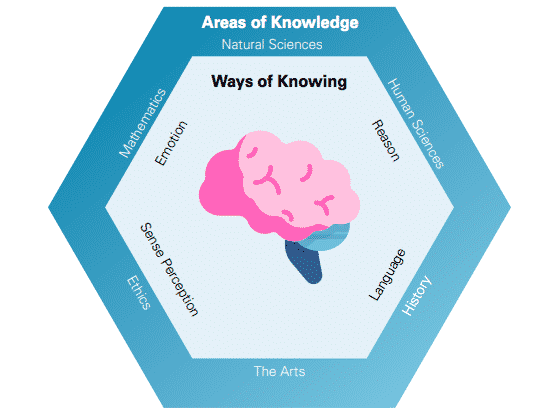
- Focus on "How We Know": The central question of TOK is not "what is true?" but "how can we be sure?". Always link your arguments back to Areas of Knowledge (AOKs) and Ways of Knowing (WOKs).
The TOK Exhibition
- Choose 3 Meaningful Objects: Your objects should clearly connect to your chosen IA Prompt. They should be specific objects that exist in the world (e.g., "my grandfather's 1968 Omega Speedmaster watch," not "a watch").
- Explain the "Why": Your commentary should explain precisely how each object illustrates your arguments about the nature of knowledge, linking it clearly back to the prompt.
Creativity, Activity, Service (CAS)
CAS is not a checklist to be completed; it's an opportunity for growth and balance.
- Find Meaningful Experiences: Choose activities that challenge you and that you are genuinely interested in. Quality over quantity is key. Stepping outside your comfort zone is where the real learning happens.
- Balance the Three Strands: Ensure you have a good mix of experiences across creativity, activity, and service throughout the two years.
- Reflect Thoughtfully: Your reflections are the most important part. Don't just describe what you did. Explain what you learned, how you grew, what challenges you faced, and how it changed your perspective. Link your reflections to the 7 CAS Learning Outcomes.
- Plan Your CAS Project Early: The mandatory collaborative project takes time. Start brainstorming with a small group in DP1 to find a meaningful project that combines at least two CAS strands.
.png?width=500&height=256&name=Generated%20Item%20(15).png)


.png)
.png)