IB Citation Guide
Master IB citation! Compare APA vs. MLA for your Extended Essay (EE) and IAs. Learn why consistent referencing matters and discover free tools like Zotero or MyBib to automate your citations.
Mastering IB Citations: Your Essential Guide to Academic Integrity
As a former IB student and now an expert tutor at Lanterna, I've seen how crucial strong citation skills are. It's not just about avoiding plagiarism; it’s about showcasing your intellectual journey and building habits that will serve you well throughout your academic career and beyond.
This guide is your go-to resource for navigating citations in your Extended Essay (EE), Internal Assessments (IAs), and all other coursework.
What You'll Learn in This Guide
- Understand the "Why": Grasp why academic honesty and consistent citation are fundamental to the IB.
- Navigate Citation Styles: Confidently choose between APA and MLA for your subjects.
- Master Consistency: Learn why uniform referencing is non-negotiable and how to achieve it.
- Leverage Digital Tools: Discover free tools like Zotero and MyBib to automate your referencing.
- Apply Expert Strategies: Get practical, high-leverage tips from an IB graduate who has been in your shoes.
The Cornerstone of IB Success: Why Citation Matters
The IB defines academic honesty as "making knowledge, understanding and thinking transparent". It’s not just a rule; it's a core principle. Here’s why getting your citations right is so important:
- It Prevents Plagiarism: This is the big one. Plagiarism, even if accidental, has serious consequences, potentially leading to a failing grade or even the loss of your IB Diploma.
- It Acknowledges Others' Work: You're giving credit where it's due, respecting the researchers and thinkers whose ideas you've used.
- It Shows Off Your Research: A solid bibliography demonstrates to examiners the depth and breadth of your research and your ability to engage with academic sources.
- It Builds Your Credibility: A well-cited paper makes your arguments more authoritative. It allows the examiner to trace your line of thinking and verify your sources.
- It Helps Others Learn: Your citations create a roadmap for anyone reading your work, allowing them to explore the sources you found interesting.
Remember, you must acknowledge everything that isn't your own original thought—direct quotes, paraphrased ideas, data, images, and diagrams.
APA vs. MLA: Choosing the Right Style for Your EE & IAs
The good news? The IB doesn’t force one specific style on you. The reality? You have to choose one recognized style (like APA or MLA) and use it perfectly and consistently. Here’s how to decide.
MLA (Modern Language Association)
Best for: Humanities subjects like English A, other Languages, Visual Arts, and sometimes History.
- Focus: Emphasizes the author and page number.
- In-text citation looks like: (Smith 45)
- Bibliography is called: "Works Cited"
APA (American Psychological Association)
Best for: Social sciences (Psychology, Business Management) and the natural sciences (Biology, Chemistry, Physics).
- Focus: Emphasizes the author and date of publication.
- In-text citation looks like: (Smith, 2020, p. 45)
- Bibliography is called: "References"
Work Smarter, Not Harder: Free Tools to Tame Your Citations
Manually creating a bibliography is painful and prone to errors. Don't do it! Use free reference management software to automate the process. These are the two best options.
Zotero
A powerful, free tool to help you collect, organize, and cite your research.
- Collect with a Click: A browser extension lets you save articles, books, and webpages directly to your library.
- Organize Your Way: Sort sources into collections and add tags.
- Cite in Your Doc: Works with Word and Google Docs to instantly create in-text citations and bibliographies.
- Sync & Collaborate: Sync your library across devices and share with study groups.
MyBib
A super user-friendly and free tool that generates citations quickly.
- Easy Generation: Quickly create citations for websites, books, and journals.
- Project Organization: Keep your references for different IAs and your EE separate.
- Export Options: Export your finished bibliography as a Word doc or just copy-paste it.
- Simple & Fast: Designed to be quick and intuitive.
Insider Tips from an IB Graduate
Having survived the EE and IA process, here are the strategies that made the biggest difference:
- Start Day One: Don't leave your bibliography until the end. Create a document to track your sources from the very beginning of your research. It will save you hours of panic later.
- Know Paraphrasing vs. Quoting: Putting an idea in your own words (paraphrasing) still requires a citation. Direct quotes need quotation marks and a citation. No exceptions.
- When in Doubt, Cite: If you're not sure if something needs a citation, it probably does. This includes images, graphs, data, and ideas that influenced your thinking.
- Check Your School's Policy: Your school might have its own specific academic honesty policy or preferred styles. Make sure you know what they are.
- Use Your Supervisor: Your teachers are your best resource. If you're stuck on how to cite something unusual, just ask them.
- Proofread Your Bibliography: Before you submit, do one final check. Is it alphabetized correctly? Is the formatting (like hanging indents) perfect? This is where easy marks can be won or lost.
- Acknowledge AI Use: Using AI to generate ideas or text without attribution is academic misconduct. If you use AI tools responsibly (e.g., to check grammar or brainstorm), be transparent and acknowledge it according to your school's policy.

We’re the Lanterna Team — a group of 600+ IB expert tutors, ranging from 45/45 IB graduates to IB teachers with 30+ years of teaching and examiner experience.
For over 20 years, we’ve supported tens of thousands IB students worldwide with one clear focus: making high achievement feel more doable. Our team of experienced tutors have come together to combine their deep curriculum knowledge with practical strategies that are proven to work.
Whether you’re building strong foundations in DP1, pushing for a final stretch in DP2, or looking for clarity on what to prioritise, we’re here to help you study smarter, stay confident, and get results.
Why Lanterna?
Our free IB consultation is a 20-30 minute session with one of our expert Student Success Experts. It's designed to give you personalised guidance, help you identify your academic priorities, and outline clear next steps for your IB journey – all with absolutely no obligation to purchase tutoring.
Proper citation is a cornerstone of academic honesty in the IB. It's crucial for preventing plagiarism, acknowledging the intellectual property of others, demonstrating your research skills, and establishing the credibility of your arguments. Mastering it is essential for all your coursework, including your Extended Essay and Internal Assessments.
The choice often depends on your subject. MLA is typically used in humanities subjects like English and History, while APA is common in sciences and social sciences like Psychology, Biology, and Business Management. The most important rule is to choose one style and apply it consistently. Always consult your EE supervisor or IA teacher for specific guidance, and our Lanterna tutors can also help you navigate subject-specific norms.
Absolutely! As our expert IB graduates often recommend, free digital tools like Zotero and MyBib are invaluable. They can automate the collection, organisation, and generation of citations in thousands of styles, saving you significant time and helping to ensure consistency and accuracy. While incredibly helpful, always remember to double-check their output for minor errors.
Our expert IB graduate tutors provide personalised guidance on all aspects of academic honesty and citation. We can help you choose the correct style for your subjects, show you how to effectively use citation management tools, and ensure you understand the nuances of paraphrasing versus quoting. We'll work with you to refine your research skills and produce work that adheres to the highest IB standards.
Common mistakes include inconsistent formatting, forgetting to cite paraphrased ideas, and leaving bibliography compilation until the last minute. Lanterna tutors teach best practices like starting early, maintaining a research log, and understanding the difference between direct quotes and paraphrased content. We help students proofread their bibliographies and ensure accuracy, giving them confidence in their academic integrity.
Our Student Success Experts are experienced IB advisors who understand the programme inside out. Beyond citations, they can help you create holistic study plans, identify your academic strengths and weaknesses, and connect you with the ideal tutor for any IB subject. They provide invaluable support for broader IB challenges like time management, exam stress, and university applications.
Yes, the Lanterna IB consultation is 100% free with no obligation to commit to tutoring. During your 20-30 minute session with a Student Success Expert, you'll discuss your specific challenges (whether it's citations, IA progress, or overall study strategy), receive tailored advice, and leave with a clear action plan and understanding of your next steps.
The Lanterna IB consultation is for any IB student (DP1, DP2, or even pre-IB) and their parents. Whether you're struggling with a specific assessment like the EE or an IA, aiming for top grades, or simply seeking clarity and a strategic plan for your IB journey, our experts are here to provide guidance and support.
It's ideal to seek support as soon as you begin major research projects like your Extended Essay or Internal Assessments in DP1. If you're ever unsure about citation styles, how to use digital tools, or any aspect of academic honesty, reaching out early can prevent issues later. A free Lanterna consultation is a perfect first step to clarify your needs and get immediate, actionable advice.
After your consultation, you'll have a clear understanding of your current situation, identified priorities, and a strategic plan for moving forward. You'll then have the option to explore how Lanterna's personalised online tutoring, delivered by top IB graduates, could provide ongoing support tailored to your specific goals, but there's absolutely no pressure to commit.
More free resources

IB Academic Honesty Guide
Master IB academic honesty: Learn policy, understand plagiarism/collusion consequences, and get essential citation tips to succeed.

IB Extended Essay (EE) Guide
What is the Extended Essay (EE)? Get a complete overview of this mandatory 4,000-word research paper in the IB Diploma Programme core.
.png)
The Ultimate Guide to Nailing Your IB Internal Assessment (IA)
A complete guide to the IB Internal Assessment. Learn how to choose a topic, manage your timeline, and structure your IA for a top grade. Includes tips for parents.

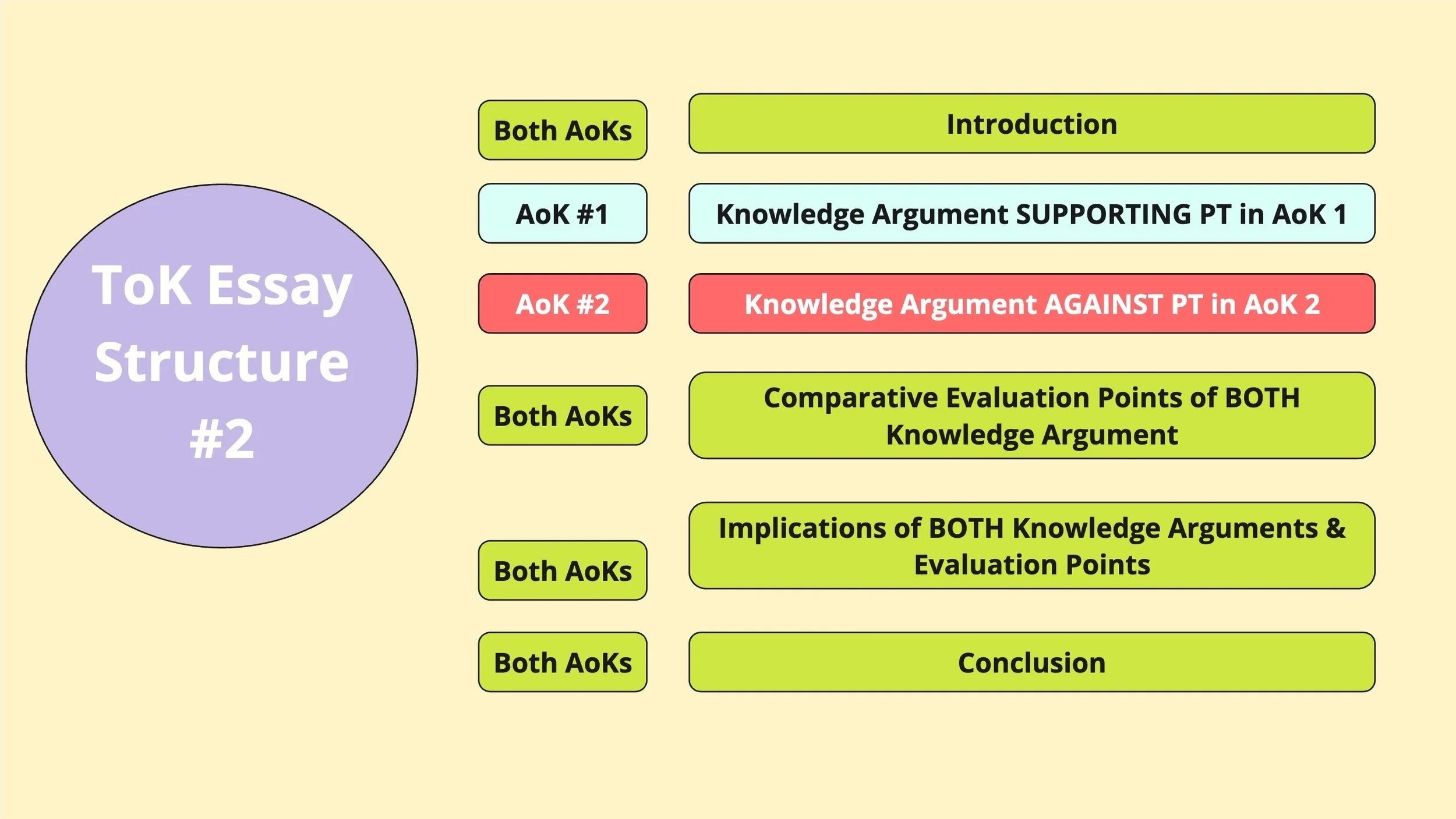
IB TOK Essay Structure Guide
Master the IB TOK Essay structure with our complete guide. Get step-by-step outlines for your introduction, AOK paragraphs (claims/counterclaims), and conclusion to hit top markbands.

100+ IB Extended Essay Topics with Examples
Struggling with your IB Extended Essay? Get inspired with 100+ Extended Essay Topics and learn the 10 steps for a top EE grade in your diploma.

IB Extended Essay: Complete Guide to EE Success
Unlock A success with this comprehensive IB Extended Essay guide. Learn the 10 steps to writing a high-scoring EE, from research question to final draft.

How to Structure Your IB TOK Essay Step-by-Step
Learn how to structure your IB TOK Essay step-by-step with this expert guide. Understand how examiners think and increase your TOK essay grading score with clear format tips.

How to Structure Your IB Extended Essay Outline
Learn how to structure your IB Extended Essay Outline with expert planning techniques. Master your EE with bullet-point, post-it, and spreadsheet methods for success.
Professional Support for the Final Push
GRADUATES
TEACHERS
EXAMINERS
BOOK A FREE CONSULTATION TODAY
Stockholm based, supporting students worldwide. We are IB experts committed to achieving your academic goals.
ABOUT US